
Legousia pentagonia
Legousia pentagonia
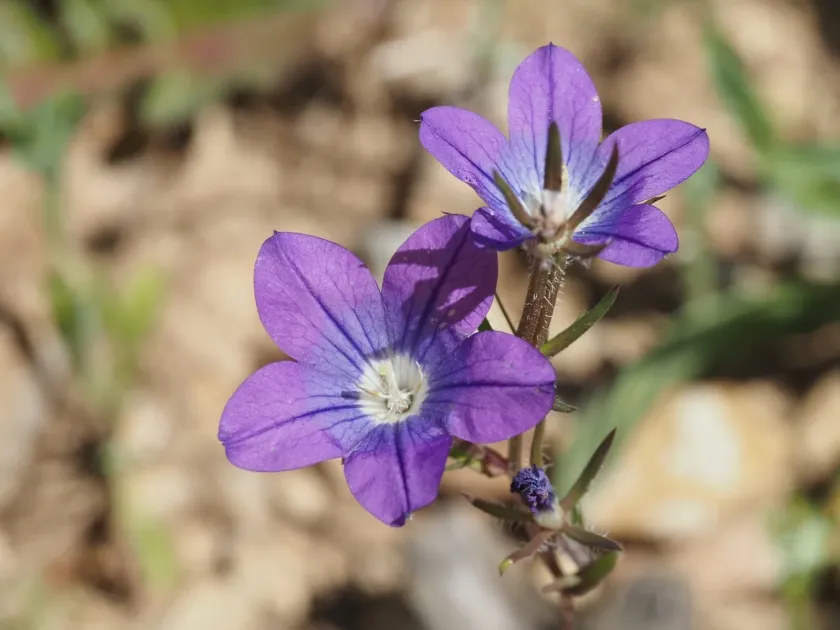
Description
Sowing dates
Legousia pentagonia is an annual herb that is typically propagated by seed sown directly into the soil. The optimal time for sowing is during the early spring, once the soil has sufficiently warmed up to facilitate rapid germination.
The seeds are notably small, so they should be sown on the surface of the soil rather than buried deeply. Light pressure should be applied to the seedbed to ensure good contact between the seeds and the soil, which is vital for the germination process to begin effectively.
When sowing, it is advisable to mix the seeds with dry sand to ensure an even distribution across the planting area. This prevents overcrowding and allows for better air circulation once the seedlings begin to emerge and develop their true leaves.
Maintaining consistent moisture is essential during the initial two-week period after sowing. Using a fine mist for irrigation helps to keep the soil surface damp without washing away the light seeds or displacing them from their optimal position.
Thinning out the seedlings once they reach a height of 3–5 centimeters is a necessary maintenance step. Keeping the plants at a spacing of 15–20 centimeters ensures each individual specimen receives enough light and nutrients to reach its full potential.
Growing requirements
As a member of the Campanulaceae family, Legousia pentagonia thrives in conditions that mimic its native Mediterranean habitats. It requires a location that receives full sunlight to ensure that the plants remain compact and produce a high volume of flowers.
The plant is highly adaptable regarding soil types but performs best in well-drained, sandy, or loamy soils. It cannot tolerate waterlogged conditions, so providing adequate drainage is the most critical factor when selecting an planting site.
Legousia pentagonia is considered drought-tolerant once established, making it a reliable choice for xeriscaping or low-maintenance flower beds. While it can survive on minimal water, occasional irrigation during prolonged heatwaves will significantly improve bloom quality.
Nutrient requirements for this species are low. The soil does not need to be heavily amended with fertilizers; in fact, excess nitrogen can cause the plant to produce excessive foliage at the expense of the desired floral display.
The plant demonstrates a strong ability to self-seed. If left undisturbed after the flowering season ends, it will naturally drop its seeds, which will then germinate the following year, creating a continuous display without the need for manual replanting.
Main diseases and pests
Fungal diseases, specifically root rot, present the greatest risk to Legousia pentagonia. These conditions are almost exclusively caused by excessive soil moisture and poor drainage, making proper site preparation essential for disease prevention.
Aphids can be a problematic pest during the active growth phase. They cluster on the stems and tender buds, sapping the energy of the plant. If an infestation is detected early, mechanical removal or insecticidal soap is usually sufficient for control.
Spider mites are common in hot, dry environments. They cause stippling on the leaves and can lead to plant decline if not addressed. Increasing humidity around the plants or using specialized acaricides is recommended for severe cases.
Slugs and snails can consume young seedlings overnight, causing significant gaps in the planting scheme. Utilizing physical barriers such as crushed eggshells or environmentally friendly slug bait around the flower beds helps protect the developing plants.
- Implement proper plant spacing to ensure airflow.
- Monitor for early signs of pest activity twice weekly.
- Avoid overhead watering during the late afternoon to keep foliage dry.