
Legousia speculum-veneris
Legousia speculum-veneris (L.) Chaix
Description
Sowing dates
Legousia speculum-veneris, a member of the Campanulaceae family, is an attractive annual herb. Sowing is typically carried out in spring once the danger of severe frost has passed.
The seeds are very fine, so they should be sown on the surface of the soil or covered with a very thin layer of substrate. Proper light exposure is crucial for successful germination.
Direct sowing in the field is preferred to avoid root disturbance. The seeds usually germinate within two to three weeks under favorable conditions.
For uniform growth, it is recommended to space the plants 15 to 20 cm apart, which allows enough room for each individual plant to develop its full structure.
The timing of sowing can be adjusted according to the regional climate to ensure that the flowering phase coincides with the period of peak light intensity.
Growing requirements
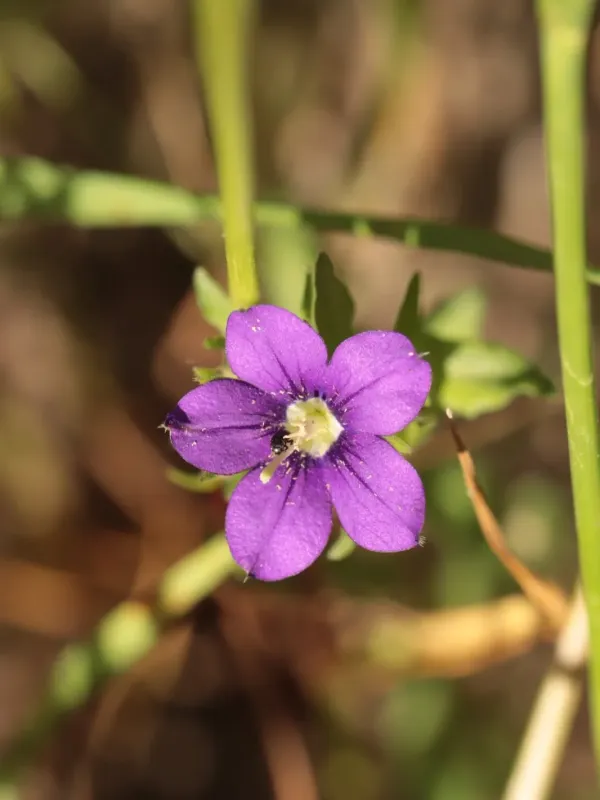
This species thrives in sunny locations. Full sun exposure is essential for the plant to produce its characteristic blue-violet flowers throughout the season.
It prefers well-drained, lime-rich soils. While it adapts to various soil types, avoid heavy clay soils that retain excessive moisture and cause root rot.
Consistent, moderate watering is necessary during dry spells. However, ensure that the soil is not waterlogged, as the plant is sensitive to hypoxia in the root zone.
Climate adaptation is generally good, but the plant performs best in regions where temperatures are moderate, avoiding extreme and prolonged heat waves.
Maintenance involves minimal fertilization. High nitrogen content should be avoided, as it encourages excessive foliage growth at the expense of floral displays.
Main diseases and pests
Fungal diseases like powdery mildew are the most common issues during periods of high humidity and poor air ventilation between plants.
Pests such as aphids and spider mites can attack the succulent stems, especially if the plants are stressed by drought or poor nutritional balance.
Root rot is often a result of poor soil management, specifically in areas where drainage is insufficient for the plant's physiological needs.
Integrated pest management is recommended, starting with cultural practices like removing diseased plant debris and ensuring proper spacing between plants.
Regular inspection of the foliage is essential to detect early signs of infestation and to intervene before the pest populations reach critical levels.