
Cyphia erecta
Cyphia erecta
Description
Sowing dates
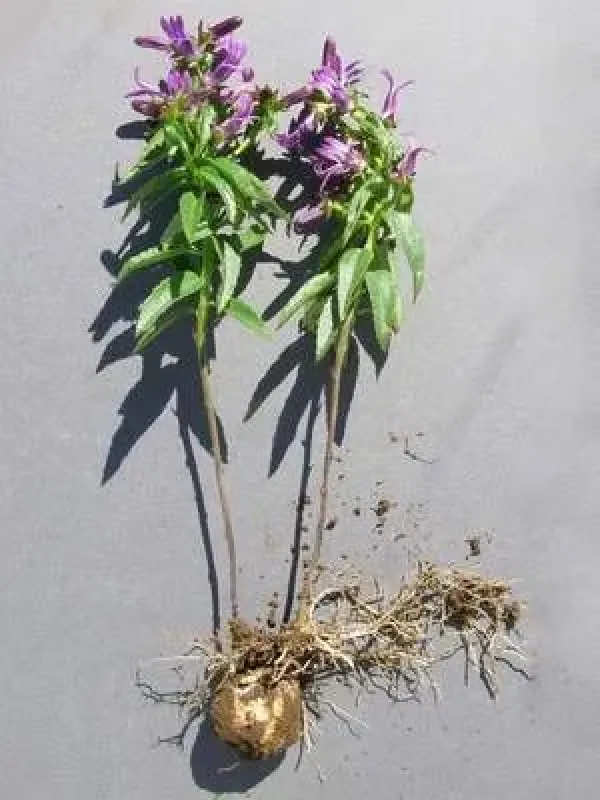
Cyphia erecta is a perennial herbaceous plant belonging to the Campanulaceae family. It is characterized by the presence of a tuberous root system, which functions as the primary storage organ for nutrients, ensuring the plant survives periods of dormancy.
Sowing should be scheduled to avoid the risk of late spring frosts, as the plant is sensitive to low temperatures during the early germination stages. Soil temperatures should ideally be maintained between 15 and 18 degrees Celsius to promote uniform and rapid seedling emergence.
Given the small size of the seeds, they should be sown at a shallow depth of approximately 1-2 centimeters. Adequate soil moisture and good surface-to-seed contact are essential for proper germination, while excessive covering may lead to poor emergence.
Vegetative propagation via tuber division is also a viable agricultural practice, offering a faster way to multiply selected plant material. This method requires careful handling of the tubers to avoid wounding, which could lead to secondary infections.
Optimal plant density is critical for Cyphia erecta to ensure proper air circulation and light distribution across the canopy. Crowding should be avoided, as it can encourage disease outbreaks and reduce the overall vigor of the individual plants.
Growing requirements
The cultivation of Cyphia erecta requires well-drained, sandy, or light loam soils with a neutral to slightly acidic pH. Soils that are prone to waterlogging must be avoided, as stagnant water is detrimental to the tuberous root system and can cause rapid decay.
Light availability is a primary factor in the successful cultivation of this species. It thrives in open, sunny locations where the plant can receive full sunlight, preventing the stems from becoming etiolated or weak, which often happens in low-light environments.
Temperature management is key throughout the growing season. While the plant is adapted to local seasonal fluctuations, sudden temperature spikes or extreme cooling during active growth phases can stress the plant and temporarily halt physiological development.
Water requirements should be strictly managed to maintain soil consistency. Drip irrigation is highly recommended, as it provides a constant level of moisture without surface saturation, which is a major factor in preventing tuber rot and other root-borne diseases.
A balanced fertilization program emphasizing potassium and micro-nutrients is recommended to support tuber development. High nitrogen applications should be avoided as they may lead to excessive vegetative growth at the expense of the storage organs.
Main diseases and pests
Root and tuber rots are the most significant threats to Cyphia erecta, typically induced by poor drainage or excessive soil moisture. These diseases are caused by soil-borne pathogens that thrive in wet, oxygen-deprived conditions.
Soil-dwelling insects, such as wireworms and larvae of beetles, represent a major threat by damaging the underground parts of the plant. Crop rotation and soil preparation are essential strategies to mitigate the presence and impact of these pests.
Aphids can infest the foliage, sucking vital sap and potentially spreading viral diseases. Regular scouting and monitoring are necessary to identify these pest populations early, allowing for targeted intervention before they become a widespread issue.
Preventive measures include careful selection of disease-free planting material and the sterilization of growing substrates where necessary. Healthy, clean tubers are the foundation of a productive crop and must be inspected thoroughly before planting.
Integrated Pest Management (IPM) practices should be employed to control threats efficiently. By using a combination of cultural practices, biological agents, and minimal chemical intervention, farmers can maintain crop health and yield while minimizing environmental impact.