
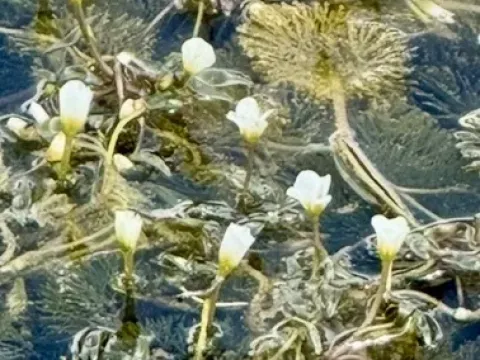
Cabomba
Cabomba
Cabomba is a genus of aquatic plants belonging to the family Cabombaceae. These plants are native to the standing or slow-moving freshwater bodies in the tropical and subtropical regions of North and South America, where they flourish in nutrient-rich environments.
What the section contains


Cabomba
Botanically, Cabomba is characterized by long, submerged stems covered in finely dissected, fan-shaped leaves. Since the root system is relatively rudimentary, the plant primarily absorbs nutrients and minerals directly from the water column through its foliage.
Success in cultivating Cabomba relies heavily on light intensity. The plant requires at least 10–12 hours of high-quality light per day to maintain its structural integrity. Inadequate lighting results in elongated internodes and weak, pale foliage that lacks its signature lush appearance.
Temperature control is essential, with an optimal range between 22 and 28 degrees Celsius. The plant is quite sensitive to sudden shifts in water temperature, which can lead to stress, leaf shedding, and a complete cessation of growth in unfavorable conditions.
Water quality parameters, including moderate hardness and slightly acidic pH levels, are preferred for healthy growth. Regular water changes and gentle filtration are necessary to keep the water clear, ensuring that organic debris does not settle on the leaves and hinder photosynthesis.
In terms of agricultural and horticultural use, Cabomba is highly valued as a decorative aquatic plant for both indoor aquariums and controlled water gardens. Its rapid vegetative growth makes it a productive crop for aquascaping and aquarium supply markets.
Propagation is primarily achieved through stem cuttings, which is an efficient way to expand stocks. Healthy stems are trimmed into segments and placed in a nutrient-rich substrate or allowed to float, where they quickly develop new roots and continue growing.
Yield, measured by the volume of vegetative mass, can be significantly increased by supplementing the water with carbon dioxide (CO2). This boosts photosynthesis rates, allowing producers to harvest dense and vibrant plant clusters much faster than under standard conditions.
Beyond its aesthetic value, Cabomba serves a functional role in aquatic ecosystems. The plant acts as a biological filter by oxygenating the water and absorbing excess nutrients, which helps maintain water quality and prevents the proliferation of harmful bacteria.
Commercial production requires systematic thinning and pruning. By managing the density of the planting, producers ensure that all parts of the plant receive adequate light, maintaining a high-quality, sellable product with healthy coloration and structure.
The primary threat to Cabomba is the colonization of its delicate leaves by filamentous algae. This happens when the balance between light intensity and nutrient levels is disrupted, effectively suffocating the plant and inhibiting its ability to produce energy.
Stem decay is a common physiological issue usually triggered by poor water circulation or damaged tissues. Once decay begins, it can spread rapidly through the stem unless the affected sections are promptly removed to stop the degradation process.
Nutrient deficiencies, particularly iron deficiency, are common and manifest as leaf chlorosis. This condition causes the leaves to lose their vibrant green color and turn translucent, eventually becoming fragile and falling off if not treated with appropriate fertilizers.
Pests are less common but can include small invertebrates that may feed on the tender apical meristems. Damage to these growing tips causes the plant to stall and eventually die back if the infestation is not managed correctly.
Preventive care involves strict monitoring of water parameters, including nitrate and phosphate levels. Keeping the ecosystem balanced and promptly removing any dead organic matter are the best methods to ensure the long-term health and vitality of a Cabomba crop.