
Cabomba furcata
Cabomba furcata
Description
Growing requirements
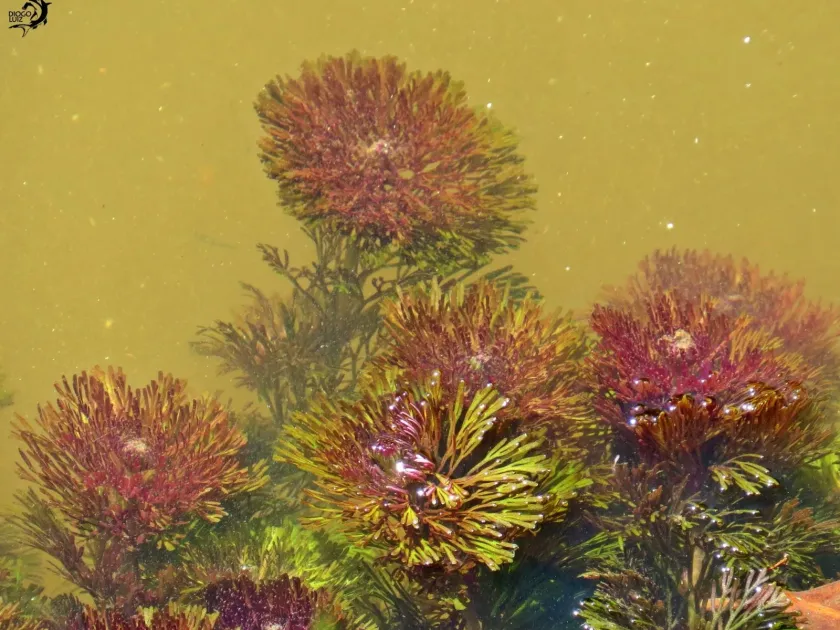
Cabomba furcata is a perennial aquatic plant belonging to the Cabombaceae family, highly valued for its striking red, fan-shaped foliage. Native to tropical regions of Central and South America, it thrives in warm, soft-water environments.
The cultivation of this plant requires high-intensity lighting, ideally full-spectrum aquarium lamps, to maintain its vibrant coloration and compact growth habit. Low light levels often cause the stems to become leggy and the foliage to fade.
For optimal health, the water must be soft and slightly acidic. Cabomba furcata is particularly sensitive to water quality, requiring efficient filtration systems and regular partial water changes to prevent the accumulation of toxic compounds.
Carbon dioxide injection is essential for the healthy development of this species. CO2 enrichment significantly accelerates photosynthesis, allowing the plant to reach its full potential in a controlled environment.
Optimal growth occurs at temperatures ranging from 24°C to 28°C. Consistent thermal conditions are vital, as fluctuations can trigger leaf drop and stunt the development of the terminal buds.
Main diseases and pests
Algal overgrowth is the most significant threat to Cabomba furcata. Epiphytic algae can easily cover the delicate, fine-segmented leaves, effectively cutting off light and nutrients from the plant.
Iron deficiency is a common physiological disorder, resulting in chlorosis of the leaves. Regular application of liquid fertilizers containing iron and essential trace elements is necessary for sustained health.
Mechanical damage to the stems, often caused by improper handling or aggressive tank mates, frequently leads to tissue necrosis and rotting. Maintenance should be performed with precision and care.
Herbivorous fish and certain types of snails can cause severe damage to the soft vegetative tissue of the plant. Selection of compatible fauna is a critical component of successful cultivation.
Improper substrate management can cause the roots to suffocate. Ensuring good water circulation through the root zone is necessary to prevent anaerobic pockets and promote nutrient uptake.