
Cabomba aquatica
Cabomba aquatica
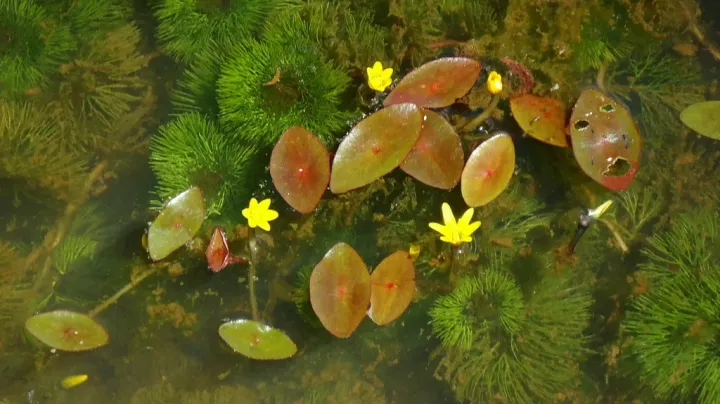
Description
Growing requirements
Cabomba aquatica, a member of the Cabombaceae family, is a perennial aquatic plant native to the tropical regions of South and Central America. It is widely recognized for its delicate fan-shaped foliage.
In terms of cultivation, this plant requires soft to moderately hard water conditions. The optimal temperature range for sustaining healthy growth is between 22°C and 28°C, with stable parameters being crucial for long-term viability.
The plant has a high demand for light intensity. To ensure robust development and avoid leggy, unhealthy stems, it must be provided with consistent lighting for 10 to 12 hours a day, mimicking its natural tropical environment.
Soil requirements involve a nutrient-rich, fine-grained substrate that allows for easy root penetration. Since Cabomba aquatica draws some nutrients through its root system, a healthy, well-oxygenated bed is essential.
The primary economic and hobbyist use of this plant is in the ornamental aquarium industry. It serves as an essential oxygenator and provides significant structural complexity within the aquatic ecosystem.
Main diseases and pests
The most significant threat to Cabomba aquatica is the colonization of its leaves by algae. Algal blooms, particularly diatoms and cyanobacteria, inhibit photosynthesis and can rapidly lead to the plant's decay.
Bacterial rot is a major agronomic concern, often triggered by physical trauma to the delicate stems. If the stem integrity is compromised, the plant becomes highly susceptible to rapid decomposition.
Nutrient imbalances, particularly the lack of dissolved CO2 and trace minerals like iron, often lead to severe chlorosis. Without proper nutrient management, the plant's growth rate declines significantly.
Invertebrate pests, including certain species of freshwater snails, can pose a risk if their populations are not monitored. They can strip the foliage, reducing both the aesthetic and biological value of the plant.
Maintaining water chemistry is the primary method of disease prevention. Frequent partial water changes are recommended to prevent the accumulation of organic waste, which otherwise promotes pathogenic microbial activity.