
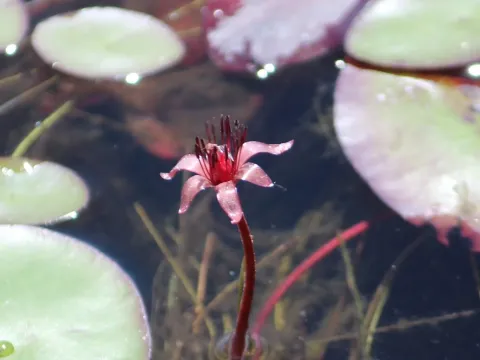
Water shield
Brasenia
The propagation of water shield is primarily achieved through vegetative methods, specifically by dividing rhizomes or clumps during the spring season. The optimal planting time begins when the water temperature in the pond reaches a consistent 15–18 degrees Celsius.
What the section contains

Water shield
Seed propagation is less common due to the complex germination requirements of the seeds, which necessitate specific stratification in an aquatic environment. Seeds are sown in containers filled with bottom silt and submerged in warmed water, ensuring adequate light exposure for sprouting.
In commercial cultivation, it is crucial to manage planting density to allow the plants to develop their floating leaves fully without excessive competition for sunlight. Overcrowded plantings lead to slowed growth rates and a decrease in the quality of the marketable product.
Propagation material should be prepared following strict quarantine measures to prevent the transfer of pathogenic microflora from wild water bodies to artificial systems. Utilizing healthy, vigorous rhizomes is the foundation for successful establishment and rapid colonization of the pond.
In temperate regions, planting should only occur after the risk of late spring frosts has passed. Sudden temperature fluctuations can severely damage young shoots, which lack the protective mucilaginous coating developed by mature plants.
Water shield (Brasenia schreberi) is a perennial aquatic plant belonging to the Cabombaceae family, naturally found in still or slow-moving water bodies. For optimal growth, the crop requires clean water with low lime content and a neutral to slightly acidic pH.
A primary factor for development is the presence of a rich layer of bottom sediments or a specially prepared nutrient-dense substrate. The plant is highly demanding regarding light levels and prefers sunny, wind-protected locations for its primary growth phase.
The water temperature for active vegetation should ideally be maintained between 20 and 28 degrees Celsius. When temperatures drop below 15 degrees, the metabolism of the water shield slows significantly, and the development of the floating foliage ceases.
Water clarity is of particular importance; high turbidity or algal blooms interfere with photosynthesis, rapidly depleting the nutrient reserves stored in the rhizomes. Regular aeration or water replacement is necessary to maintain proper gas exchange and oxygen levels.
Agricultural management also involves maintaining a stable water level, as water shield has limited capacity to adapt to rapid changes in depth. The ideal depth for commercial cultivation ranges between 40 and 80 centimeters.
The yield of water shield is primarily assessed by the volume of young, mucilage-covered shoots and unopened leaves, which are highly prized in culinary and medicinal applications. Harvesting is typically conducted multiple times throughout the growing season.
Under optimal agronomic conditions, one square meter of pond surface can yield between 2 and 5 kilograms of high-quality raw material. The final result depends heavily on the fertility of the benthic substrate and the consistency of nutrient supplementation.
Economic use covers the food industry, where young leaves are consumed as a delicacy rich in biologically active compounds. The thick, transparent mucus covering the plant's organs is known for its high content of polysaccharides.
The medicinal value of the crop is attributed to its high concentration of flavonoids and antioxidants, making it a sought-after raw material for pharmacopeia. Extracts from plant tissues are utilized in traditional Eastern medicine as anti-inflammatory agents.
To maintain plantation productivity, regular rejuvenation of the plantings is required, as rhizomes can age and become overcrowded over time. Proper care and management allow for a stable yield output for a period of 5 to 7 years.
Primary threats to water shield plantings include phytopathogenic fungi that attack leaf surfaces in stagnant water conditions where oxygen circulation is insufficient. Infection often manifests as necrotic spots that spread rapidly across the floating leaves.
Among pests, larvae of various aquatic insects cause the most damage by boring tunnels into the stems and young shoots. This not only reduces the commercial appearance of the product but also renders the plant vulnerable to secondary infections.
Significant siltation of the pond without proper cleaning leads to the degradation of the root system. The accumulation of organic decomposition products promotes anaerobic processes, which inhibit crop growth and contribute to the buildup of toxins.
Competition from invasive algal species and aggressive aquatic weeds poses a serious threat. Regular weeding and strict monitoring of the pond's plant species composition are necessary to ensure that the water shield is not outcompeted by hardier species.
The chemical composition of the water, specifically high levels of heavy metals or agricultural pesticides entering through runoff, is often lethal to this plant. Adhering to environmental standards for plantation location is the primary defense against uncontrollable external factors.