
White Canary Tree
Canarium album
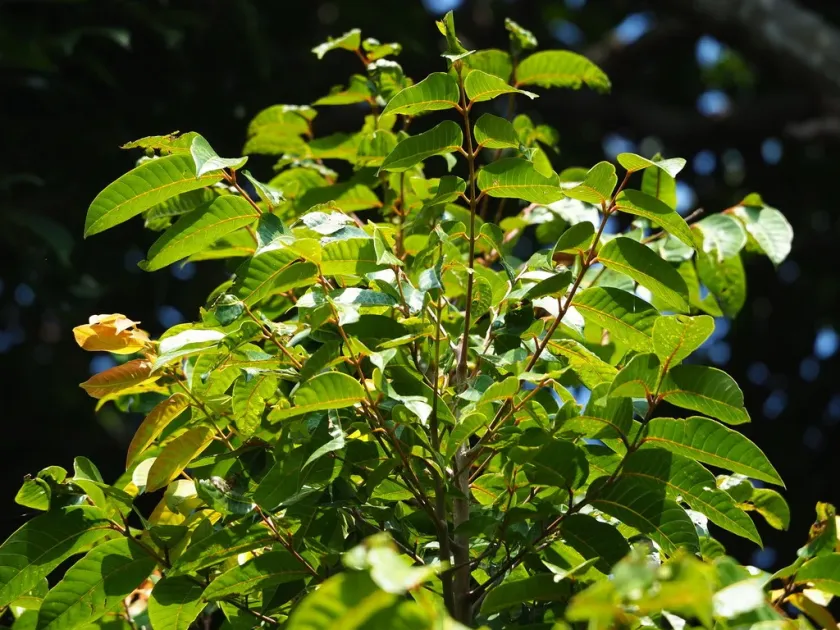
Description
Sowing dates
Propagation of the White Canary Tree is typically achieved through seeds or grafting onto vigorous rootstocks to ensure consistency in fruit quality and yield.
Seeds should be sown in well-drained, nutrient-rich potting mix after undergoing appropriate stratification to break dormancy and ensure uniform germination rates.
Transplanting into the field is best performed at the onset of the rainy season to allow the root system to establish itself before the onset of drier conditions.
Young saplings require shading during their initial growth phase to protect them from excessive solar radiation, which can scorch leaves and stunt development.
Planting density should be carefully planned to accommodate the mature size of the tree, allowing sufficient airflow between canopies to reduce disease pressure.
Growing requirements
The White Canary Tree, a member of the Burseraceae family, thrives in tropical and subtropical regions characterized by consistent warmth and adequate moisture.
It prefers deep, fertile, and well-structured soil that allows for efficient drainage, as waterlogged conditions are highly detrimental to the root system health.
The tree requires protection from severe cold and frost, which can cause significant tissue damage or death in young, non-hardy specimens during the winter months.
Adequate sunlight is essential for optimal photosynthetic activity, which directly influences the tree's ability to produce high-quality fruits during the season.
Maintaining a neutral to slightly acidic soil pH is recommended for efficient nutrient uptake and overall long-term plant vigor in commercial orchard settings.
Yield
The fruit of the White Canary Tree, often referred to as the Chinese olive, provides significant economic value due to its culinary and medicinal applications.
Yield potential increases with tree maturity and is heavily dependent on regular fertilization programs, particularly during the flowering and fruit-setting stages.
Oil extracted from the seeds is highly valued in the cosmetic and food industries, adding another layer of profitability for agricultural producers of this crop.
Pruning is a vital horticultural practice that helps manage tree architecture, allowing for easier harvesting and better distribution of sunlight throughout the canopy.
Consistent irrigation management during dry periods ensures fruit size and quality are maintained, preventing premature fruit drop due to water stress.
Main diseases and pests
Common threats to the crop include various leaf-eating insects and scale pests that can significantly reduce the photosynthetic capacity of the tree if left uncontrolled.
Fungal diseases are a major concern in humid environments, leading to leaf spots and potential dieback if moisture levels around the canopy remain too high.
Integrated pest management strategies are recommended, combining biological controls and the judicious use of pesticides to maintain ecosystem health in the orchard.
Physical damage to the trunk or branches provides entry points for pathogens and wood-boring insects, making careful handling during orchard operations essential.
Regular monitoring of canopy health is critical for early detection of issues, allowing for rapid intervention before localized infections become widespread problems.
Harvesting
Harvesting should be conducted when fruits reach their peak physiological maturity, which is indicated by specific changes in skin color and texture.
Manual harvesting techniques are preferred, using specialized equipment to reach fruits on higher branches without causing damage to the delicate outer skin.
Post-harvest handling requires gentle sorting and packing to ensure that the fruits remain in good condition during transport to markets or processing facilities.
Temperature control during storage is necessary to extend the shelf life of the fresh product, reducing loss and preserving the nutritional value of the harvest.
Successful orchards often implement staggered harvesting cycles to maximize the collection of fruits at their exact stage of required ripeness for different uses.