
Garuga pinnata
Garuga pinnata
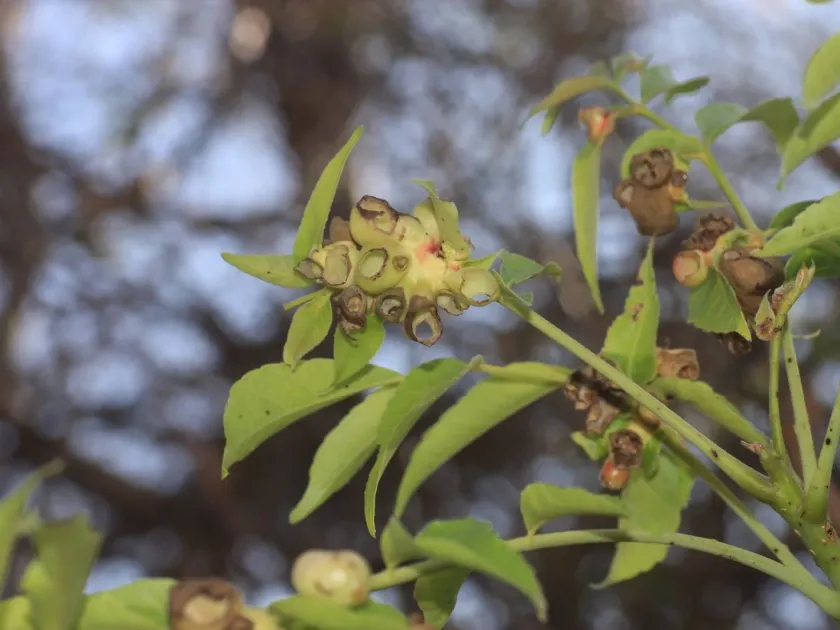
Description
Sowing dates
The propagation of Garuga pinnata is primarily carried out via seeds. Seeds possess moderate viability, so it is recommended to sow them immediately after harvesting, which typically occurs at the end of the dry season when fruits reach maturity.
To accelerate germination, stratification or soaking seeds in water for 24 hours is often employed. Sowing is conducted in nurseries or containers filled with well-drained, organic-rich soil, ensuring constant moisture levels until seedlings emerge.
Transplanting seedlings to their permanent location is done once they reach a height of 30–50 cm, usually requiring 6–8 months. It is critical to time the transplanting with the onset of the monsoon season to ensure that young trees receive sufficient natural rainfall during the establishment phase.
Planting density varies based on the plantation's purpose: in reforestation projects, a spacing of 3–4 meters is standard. In agroforestry systems, the species is often integrated with shade-tolerant crops to optimize land use and improve the local microclimate.
Young plants require consistent care for the first two years, including weeding around the base and protection from direct, intense midday sun, which can cause bark scorch in immature trees.
Growing requirements
Garuga pinnata is a member of the Burseraceae family, native to the tropical and subtropical forests of South and Southeast Asia. The culture thrives in regions characterized by a distinct monsoon climate with clearly defined wet and dry seasons.
The tree shows high adaptability to various soil types, including stony and loamy substrates. However, optimal growth rates are observed in deep, well-drained alluvial soils with a neutral to slightly acidic pH level.
Ideal temperatures for active development range from +22°C to +35°C. As a light-demanding species, Garuga requires open areas with abundant sunlight to ensure proper crown development and high fruit yields.
The culture exhibits relative resilience to short dry spells due to an extensive root system capable of accessing water from deep soil profiles. Nevertheless, for commercial cultivation, maintaining adequate soil moisture is essential for maximum biomass production.
In areas with high water tables, the tree performs poorly, as excessive soil moisture often leads to root rot and interferes with the vital metabolic processes characteristic of this species.
Yield
The utilization of Garuga pinnata is diverse: its wood is widely used in the production of plywood, light construction materials, packaging, and various household items due to its moderate density and workability.
The fruits of this tree are edible and consumed either raw or processed into marinades and sauces. They have a pleasant, tangy flavor and contain significant nutritional value, making them a local food source.
The bark and leaves are traditionally used in folk medicine across South Asia for their astringent and anti-inflammatory properties. These parts are also utilized in the leather industry as a tanning agent due to high tannin content.
Garuga foliage serves as a valuable fodder resource for livestock, particularly during the dry season when other green feed sources are scarce. Branches can be pruned periodically to produce nutritious forage.
Timber yield potential is determined by the age of the stand: commercial maturity in managed plantations is typically reached within 15–25 years, depending on the intensity of forest management and site conditions.
Main diseases and pests
Major pests affecting Garuga pinnata include various leaf-eating beetles and lepidopteran larvae, which can significantly damage foliage, thereby reducing photosynthetic efficiency and overall tree vigor.
In high-humidity conditions with inadequate drainage, the trees are susceptible to fungal infections such as phytophthora root rot. Preventive measures focus on maintaining appropriate planting density and regular monitoring of the root collar.
Trunk diseases, resulting from pathogens entering through mechanical bark injuries, can lead to internal decay and reduced timber quality. It is crucial to avoid damaging the trunks during routine forest maintenance.
Powdery mildew may occur on young shoots in dense plantings, requiring timely crown thinning to ensure adequate air circulation and prevent moisture stagnation in the canopy.
An integrated pest management approach, including the use of biological control agents and good silvicultural practices, is recommended to boost tree immunity and minimize the necessity for chemical pesticide application.
Harvesting
Fruit harvesting is performed manually as the fruits mature and soften, typically indicated by a change in skin color. Care must be taken during the process to avoid damaging the brittle branches of the tree.
Timber harvesting is conducted through selective logging or clear-cutting once the trees have reached commercial maturity. Harvested logs require immediate primary processing to prevent warping or infestation by wood-boring insects.
When harvesting foliage for fodder, pruning should be restricted to the end of the growing season, ensuring no more than 30% of the crown is removed to allow the tree to recover and continue active growth.
Post-harvest handling of fruits includes sorting, cleaning, and rapid transport to processing facilities, as fresh fruits have a limited shelf life under high tropical temperatures.
To preserve seed quality for propagation, seeds must be extracted from the pulp, washed, and dried carefully in a shaded, well-ventilated area to prevent degradation from heat and direct sunlight.