
Garuga floribunda
Garuga floribunda
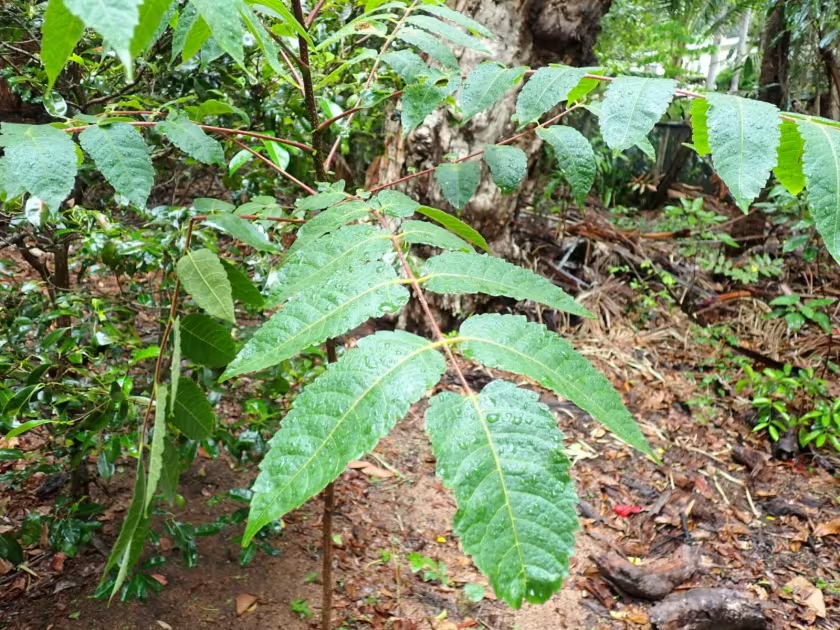
Description
Growing requirements
Garuga floribunda is a significant tree species belonging to the Burseraceae family. It is widely distributed across the tropical regions of Southeast Asia, the Pacific Islands, and Northern Australia, thriving in diverse ecological niches.
This species is primarily deciduous, shedding its leaves during the dry season, which is a physiological adaptation to survive periods of limited rainfall. It requires high solar radiation to achieve optimal growth and branching, making it unsuitable for shaded understory planting.
The ideal soil conditions for this tree include well-drained, fertile loams, though it displays remarkable resilience by growing in rocky or volcanic soils. Proper soil structure is essential to prevent root asphyxiation during the monsoon season.
Regarding climate, the species requires warm temperatures year-round, typically ranging between 22°C and 32°C. It is intolerant to frost, and extreme cold exposure can lead to severe developmental damage or death of young saplings.
Agricultural management involves weeding the area around the base during the establishment phase. Pruning may be applied to influence the branching habit, especially if the objective is timber production rather than fruit or shade development.
Main diseases and pests
Like many tropical species, Garuga floribunda can be susceptible to various fungal pathogens that affect the leaves and stems in conditions of excessive humidity. Proper spacing between trees is crucial to ensure adequate air circulation and reduce disease pressure.
Insect pests, particularly borers and leaf-eating caterpillars, may pose a risk to young plantations. Integrated pest management strategies, including the use of biological controls, are recommended to maintain tree health without relying heavily on chemical pesticides.
Harvesting
The timber of this tree is highly regarded for its utility in construction and furniture making. It is prized for its moderate strength, ease of working, and aesthetic qualities when finished.
Edible fruits are harvested by local communities, offering a source of nutrition and income. These fruits are often processed into jams or consumed fresh, contributing to local food security.
Extracts derived from the bark and foliage are actively researched for their medicinal properties. Potential applications include anti-inflammatory and antioxidant agents, which may provide additional value to the cultivation of this species.
As an agroforestry component, the tree provides shade for coffee or cocoa plantations and serves as an effective windbreak, protecting more delicate crops from storm damage in tropical climates.
The harvest cycle varies depending on the intended use; fruit collection is seasonal, while timber harvesting is a long-term investment that requires sustainable forest management practices to ensure the viability of future yields.