
Thismia
Thismia
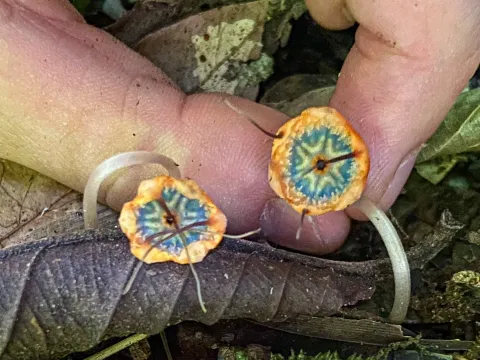
Thismia is a fascinating genus of small, achlorophyllous plants classified within the Burmanniaceae family. Unlike conventional crops, these plants lack chlorophyll and cannot perform photosynthesis, rendering them fully reliant on myco-heterotrophy.
What the section contains


Thismia
These plants survive by forming complex symbiotic relationships with specific fungi in the soil. They derive nutrients from these fungi, which in turn obtain energy from other photosynthetic plants in the surrounding environment, essentially functioning as a link in the forest food web.
The habitat requirements for Thismia are strictly limited to humid, shaded tropical and subtropical forest floors. They thrive in environments with deep leaf litter and undisturbed soil microbiology, which is essential for the survival of their fungal partners.
Due to these highly specialized biological requirements, Thismia has no agricultural applications. Cultivation attempts are virtually impossible because the plant cannot be separated from the complex mycelial networks present only in its native ecosystem.
From a scientific standpoint, this genus is of significant interest for biodiversity studies. Most species are considered rare or endangered, emphasizing the importance of protecting old-growth forests to maintain the delicate ecological balance these plants depend on.