
Fairy Lantern
Thismia rodwayi
Description
Growing requirements
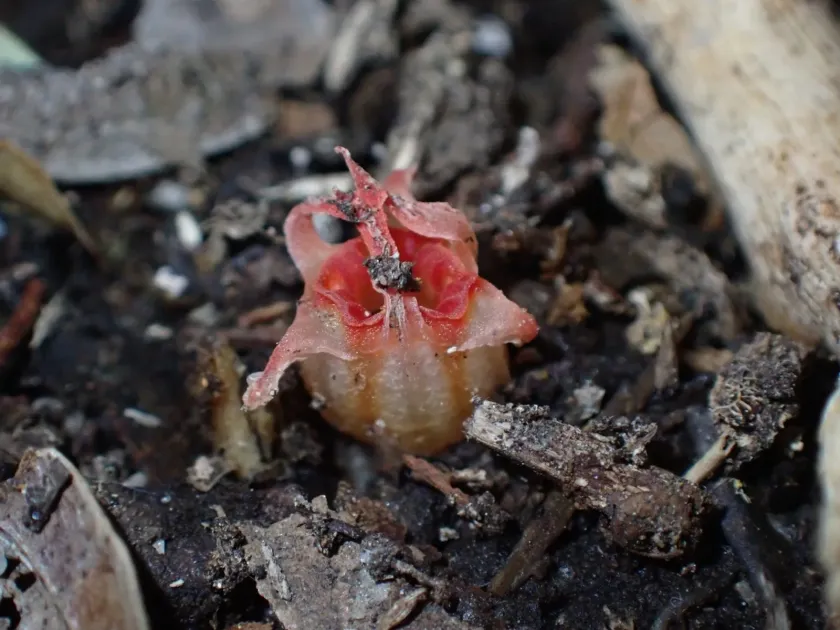
Fairy Lantern (Thismia rodwayi) is a fascinating plant species belonging to the Burmanniaceae family. It is a fully mycoheterotrophic plant, meaning it has completely lost the ability to photosynthesize and relies entirely on fungi for nutrition.
The plant spends most of its life cycle underground, appearing only briefly to produce its peculiar, lantern-shaped flowers. These flowers are usually hidden within the deep layers of damp forest leaf litter.
Native to temperate rainforests in Australia and New Zealand, the plant requires a very specific microclimate to thrive. It is typically found in deep, damp, and undisturbed soil where organic matter accumulates.
Its survival is intrinsically linked to the presence of specific mycorrhizal fungi. These fungi connect the plant to a larger subterranean network, facilitating the transport of nutrients from other hosts.
Due to its complex ecological requirements and obligate dependence on specific fungi, this species cannot be farmed or cultivated as a commercial crop.
Main diseases and pests
The primary threat to the Fairy Lantern population is the destruction and disturbance of its natural forest habitat, especially the clearing of old-growth rainforests.
Changes in soil moisture levels caused by climate change or logging can easily disrupt the delicate balance between the plant and its fungal host, leading to local extinction.
Soil compaction caused by human activity or heavy machinery can damage the fragile root systems and the fungal networks essential for the plant's survival.
The invasion of non-native plant species can alter the soil composition and microbial community, which often displaces the fungi that the plant depends on.
Because of its small size and cryptic nature, it is often overlooked during environmental impact assessments, making it particularly vulnerable to land development.