
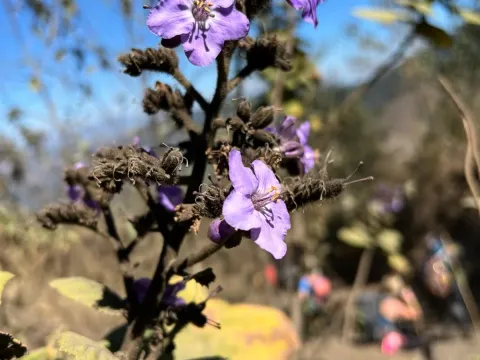
Wigandia
Wigandia
Wigandia is typically propagated from seeds sown in early spring once the threat of frost has passed and soil temperatures have sufficiently increased.
What the section contains

Wigandia
For gardeners looking to extend the growing season, starting seeds indoors in late winter ensures stronger seedlings before transplanting.
The seeds require light to germinate effectively, so they should be sown on the surface of the soil rather than buried deeply.
Maintained consistent moisture levels and a temperature range of 20 to 25 degrees Celsius are critical for successful seedling emergence.
Spacing is essential during the transplanting phase to allow the plants enough room to develop their characteristically large foliage.
This genus belongs to the Boraginaceae family and thrives best in full sun exposure, which is necessary for optimal bloom production.
Wigandia requires well-draining, nutrient-rich soil to prevent root rot, as the plant is highly sensitive to waterlogged growing conditions.
While established plants show some tolerance to dry conditions, consistent irrigation is recommended during the peak of the summer heat.
The plant benefits from moderate shelter from strong winds, as its large, textured leaves can be prone to mechanical damage in exposed areas.
Soil amendment with organic matter before planting helps maintain the fertility levels required for the rapid growth characteristic of this species.
The primary pests affecting Wigandia are sap-sucking insects like aphids and spider mites, which can proliferate rapidly in sheltered environments.
Fungal issues, including powdery mildew and root rot, often occur if the plants are crowded or if air circulation is inadequate.
The foliage is covered in fine, stinging hairs that can cause contact dermatitis; protective gear is advised when handling the plants.
Managing the plant health involves regular inspection of the underside of leaves for early signs of pest infestations or fungal spores.
Removing damaged or yellowing leaves can improve airflow and reduce the likelihood of spreading infections throughout the plant cluster.