
Western hound's tongue
Cynoglossum grande
Description
Growing requirements
Western hound's tongue (Cynoglossum grande) is a perennial herbaceous plant belonging to the Boraginaceae family. It is native to the western parts of North America, where it thrives in shaded forest environments and woodland habitats.
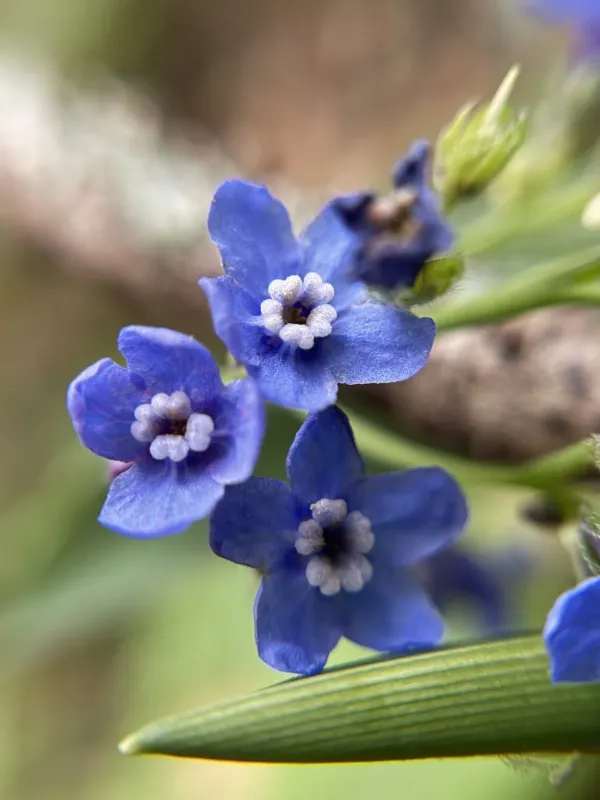
The plant is characterized by its fleshy, tuberous roots that store energy for early spring growth. Its botanical structure includes broad basal leaves and a tall flowering stalk that produces clusters of attractive, deep blue to violet flowers.
Regarding soil requirements, this species prefers loose, well-draining soils rich in organic matter. Proper aeration is crucial to prevent the tuberous roots from rotting during dormant periods or seasons with excessive rainfall.
The climate requirements for Cynoglossum grande involve temperate conditions with a period of spring moisture. It typically enters a summer dormancy phase, allowing it to survive the hot, dry summers characteristic of its native habitat without sustaining damage.
In terms of agricultural and horticultural use, it is primarily valued as an ornamental plant for woodland gardens and shaded borders. It is also an important subject for botanical studies concerning the phytochemistry of the Boraginaceae family.
Main diseases and pests
The primary threats to Cynoglossum grande are fungal infections such as powdery mildew, which thrive in stagnant, humid air. Poor ventilation within the planting bed significantly increases the susceptibility of the plants to these pathogens.
Pests such as aphids and leaf-eating beetles can cause considerable damage to the foliage during the peak growing season. Early detection and intervention are necessary to prevent these insects from weakening the plant's health.
Cultural control methods, such as removing debris from around the base of the plant and maintaining optimal spacing, are effective at reducing disease pressure. These practices ensure that the leaves dry quickly after morning dew or rain.
Monitoring the plant for signs of root rot is essential, especially in heavier soils. If waterlogging is observed, adding organic mulch or compost can improve soil structure over time, provided it does not sit directly against the plant crown.
In cases of severe infestation, integrated pest management strategies should be applied. This includes encouraging natural predators or using targeted horticultural soaps to minimize the impact on beneficial insects in the garden ecosystem.