
Wigandia urens
Wigandia urens
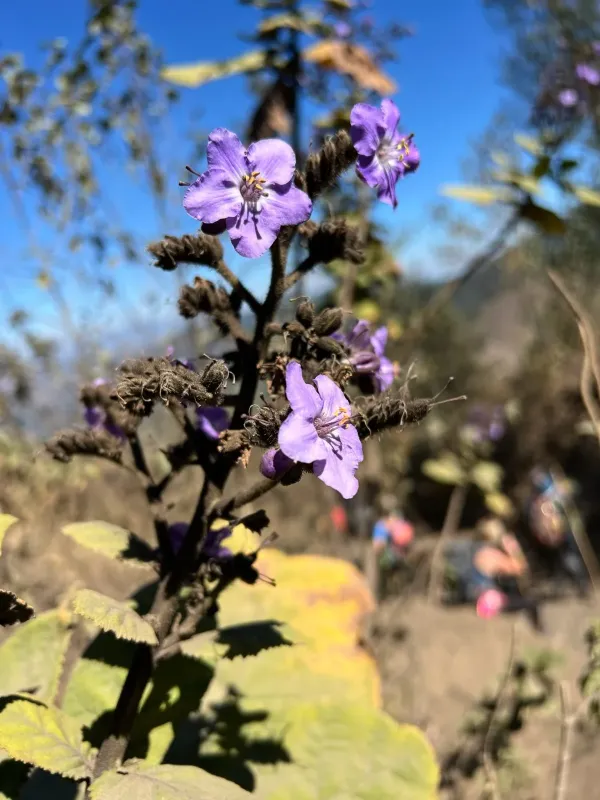
Description
Sowing dates
Wigandia urens, a member of the Boraginaceae family, is typically propagated from seeds sown in early spring. Due to its sensitivity to cold, indoor starting under controlled temperatures is highly recommended for northern latitudes.
The seeds require consistent warmth to germinate effectively. A propagator or a sunny windowsill with temperatures around 22-25 degrees Celsius will ensure that seedlings emerge within two to three weeks.
Once the seedlings develop their first true leaves, they should be transplanted into individual pots. This hardening-off phase is crucial, as the young plants need to adapt to outdoor conditions gradually before final planting.
In the field, seedlings should be spaced widely, at least 80 to 100 centimeters apart, to accommodate their rapid and robust growth habit. Overcrowding can lead to poor air circulation and disease development.
When selecting a planting site, prioritize well-drained, fertile soil that receives full sunlight. Preparing the soil with compost will provide the necessary nutrients for the plant's rapid vertical expansion.
Growing requirements
This species thrives in warm, temperate to tropical climates. It is highly intolerant of frost, which dictates its lifecycle as an annual in cooler regions where winters are harsh and freezing temperatures occur.
The plant demands full sun exposure to reach its full potential. While it can tolerate partial shade, insufficient light will result in leggy stems and fewer flower clusters, significantly reducing its ornamental value.
Regarding soil, Wigandia urens is not overly fussy provided the drainage is excellent. It dislikes "wet feet," so waterlogged soil must be avoided at all costs to prevent the rotting of the root system.
Watering requirements are moderate. During prolonged dry spells, deep watering is preferred over frequent shallow sprinkling to encourage deep root penetration and better stability of the large, leafy stalks.
It is important to note the presence of stinging hairs on the foliage. Gardeners and farmers should always wear gloves and long-sleeved clothing when handling this plant to avoid painful skin irritation.
Main diseases and pests
Aphids and spider mites are the most common pests observed on Wigandia urens. These sap-sucking insects often congregate on the undersides of the large, broad leaves, causing yellowing and deformation.
Fungal diseases like powdery mildew can appear in humid conditions. Ensuring adequate spacing between plants significantly mitigates this risk by promoting good airflow throughout the canopy.
Root rot is a major threat if the soil structure is poor or irrigation is excessive. This condition is often irreversible once symptoms manifest, so prevention via proper soil management is critical.
Slugs and snails may occasionally attack young seedlings. Protecting new growth with physical barriers or organic bait can prevent significant damage during the early stages of plant development.
Integrated Pest Management (IPM) practices should be employed to maintain plant health. Regular scouting and the removal of severely affected leaves will help keep the population of pests under control.