
Wild comfrey
Cynoglossum virginianum
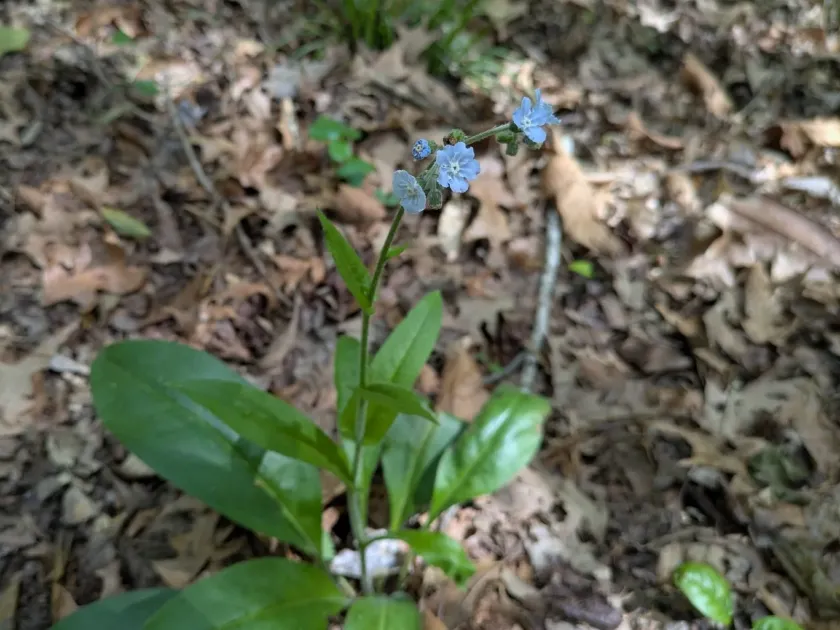
Description
Growing requirements
Wild comfrey (Cynoglossum virginianum) is a perennial herbaceous plant belonging to the Boraginaceae family. Native to North America, it is primarily found in woodland habitats, which dictates its specific environmental preferences for growth and development.
Botanically, the plant is characterized by a sturdy stem and hairy foliage, typical of its genus. It establishes a deep, fleshy root system that enables the plant to store nutrients and survive during temporary environmental stress in its natural woodland niche.
To cultivate this species successfully, growers must provide rich, well-draining soil with a balanced pH. The plant thrives in dappled sunlight or partial shade, making it a suitable candidate for forest-edge farming systems or specialized decorative landscapes.
The climate requirements involve temperate conditions with consistent seasonal moisture. While the plant exhibits cold hardiness, it requires protection from excessive heat and dry winds that can lead to rapid transpiration and wilting of the leaf structure.
Historically and commercially, wild comfrey is valued for its potential medicinal properties and its role in maintaining biodiversity in specialized planting zones. Its propagation is usually managed through seed stratification or root division during dormancy.
Main diseases and pests
The primary threat to Cynoglossum virginianum is powdery mildew, which develops rapidly in environments with high humidity and poor air circulation. Improving airflow between plants is the most effective cultural control method.
Slugs and snails present a persistent challenge, especially during the early growth phase in spring. Physical barriers like copper tape or crushed shells around the plant base are often sufficient to mitigate significant herbivory.
Root rot, driven by waterlogged soil conditions, represents a major physiological threat. Proper soil preparation and the addition of organic matter to improve drainage are essential strategies for long-term survival.
Aphid infestations may occur on the tender stems during flowering. These insects should be monitored closely, as they can also serve as vectors for secondary viral infections that compromise the plant's vigor.
Leaf-chewing larvae can cause localized defoliation if left unchecked. A systematic scouting program during the peak summer months allows for timely intervention using integrated pest management strategies.