
Varronia polycephala
Varronia polycephala
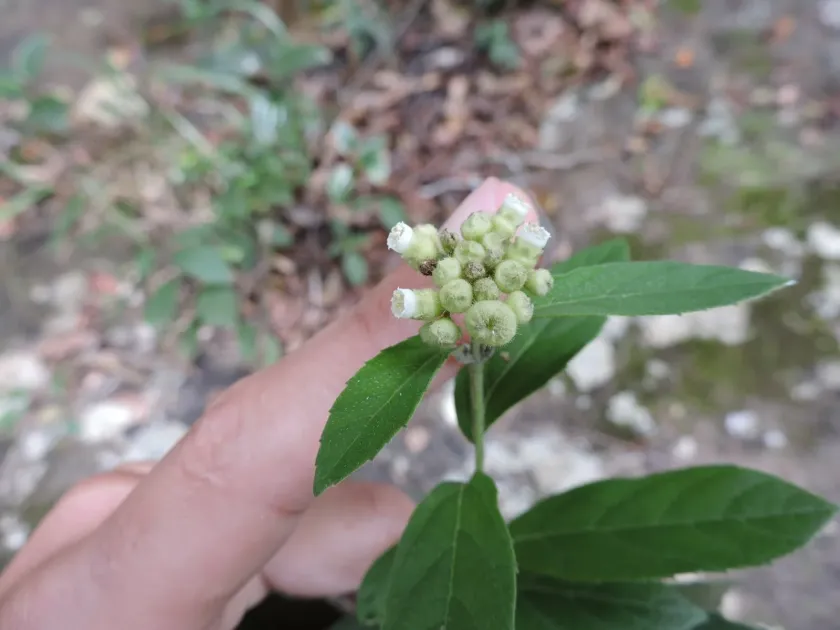
Description
Sowing dates
Varronia polycephala is a perennial shrub belonging to the Boraginaceae family. It is recognized for its ecological adaptability and is typically propagated through seeds or stem cuttings, which are effective methods for maintaining the plant's structural and chemical integrity.
The sowing process requires a well-drained substrate with a fine texture. Seeds should be placed near the soil surface, as light is often a necessary stimulus for germination. Maintaining consistent moisture and ambient temperatures around 20–25 degrees Celsius is critical for success.
Once seedlings have developed their initial true leaves, they should be transplanted into individual containers. This early spacing prevents overcrowding and encourages the development of a robust and healthy root system, which is essential for survival after field transplantation.
Preparing the field involves clearing debris and ensuring the soil is loose enough to allow for deep root penetration. In tropical regions, the timing of sowing should align with the start of the growing season, avoiding extreme heat or sudden cold snaps during the initial growth phase.
Planting density is a crucial management factor. Providing sufficient spacing between plants ensures optimal air circulation, which helps manage humidity levels around the foliage and reduces the overall risk of developing moisture-related diseases in the plantation.
Growing requirements
Varronia polycephala thrives in areas with abundant natural light, though it may require partial shade during the harshest hours of the day to prevent leaf scorching. Exposure to direct sunlight for most of the day promotes vigorous growth and flowering in this species.
The soil must have excellent drainage characteristics to prevent waterlogging. Heavy clay soils should be amended with organic matter or sand to improve porosity and ensure that the root zone receives adequate aeration at all times throughout the year.
Water requirements vary based on the stage of plant development and local climate. While established plants are somewhat drought-tolerant, consistent watering during the vegetative growth phase is essential to maximize the biomass and quality of the aerial parts of the plant.
Nutrient management involves applying balanced fertilizers, ideally rich in organic compost. Organic fertilizers not only provide essential macronutrients like nitrogen, phosphorus, and potassium but also improve soil structure and microbial activity in the rhizosphere.
Regular maintenance tasks include manual weeding to minimize competition for resources. Keeping the planting area free of weeds is a fundamental practice that reduces the prevalence of pests and diseases that might otherwise thrive in the dense undergrowth.
Yield
The yield of Varronia polycephala is generally measured in terms of aerial biomass, which is harvested for various secondary metabolites. With optimal management, consistent growth rates can be achieved throughout the vegetative season.
Effective pruning practices significantly influence the total yield. By removing older, less productive stems, the plant is encouraged to produce new lateral growth, which leads to a denser canopy and increased harvest volume for the following cycle.
The timing of the harvest is critical to ensure that the accumulation of active compounds is at its peak. Agronomists typically monitor phenological stages, such as the onset of flowering, to decide the precise moment for biomass collection for maximum quality.
Drying and processing the harvested material require careful temperature control to avoid the degradation of bioactive components. Proper storage conditions ensure that the final product maintains its efficacy and value throughout the supply chain.
Yield stability over several years is possible if the plant is maintained under suitable ecological conditions and provided with proper nutrient replenishment after each major harvest cycle to prevent soil depletion.
Main diseases and pests
The primary threats to Varronia polycephala include fungal pathogens that thrive in high-humidity environments. Powdery mildew is a common concern, characterized by a white, floury coating on the leaf surfaces that hinders photosynthesis and overall plant vigor.
Sucking insects such as whiteflies and spider mites are frequent pests in tropical agricultural settings. These organisms can severely damage the leaves, causing chlorosis and reducing the photosynthetic capacity of the plant if not managed promptly with appropriate biocontrol agents.
Root rots caused by soil-borne pathogens are often a result of over-irrigation or inadequate drainage. Preventing water accumulation around the base of the plant is the most effective way to avoid these fatal conditions, which can lead to rapid wilting and collapse.
Nematode infestations can also inhibit plant growth by disrupting root function. Implementing crop rotation or using disease-free planting material are essential strategies to mitigate the risk of these microscopic pests taking hold in the field.
Integrated pest management (IPM) practices, including the use of beneficial insects and natural deterrents, are highly recommended. These strategies allow for effective pest control while maintaining the ecological balance and safety of the final medicinal product.
Harvesting
Harvesting is usually conducted by manually or mechanically cutting the aerial parts of the shrub, taking care not to damage the crown of the plant. Selective harvesting ensures that the plant retains enough foliage to recover and continue its growth.
The frequency of harvesting depends on the specific end-use requirements of the plant material. Some commercial operations prefer multiple light cuttings throughout the year, while others may opt for a single major harvest depending on the crop's developmental cycle.
Immediately after cutting, the material should be transported to a clean, shaded area to prevent wilting and degradation from direct sunlight. Rapid handling is essential to preserve the chemical constituents that provide the plant's value.
Cleaning and sorting the harvested biomass is an important step to remove any impurities, such as weeds or soil particles, that might have been collected during the process. High-quality standards at this stage are crucial for the market value of the crop.
Finally, the moisture content of the harvested parts must be reduced to safe levels for storage. Air-drying or low-temperature mechanical drying are common methods used to prepare the raw material for processing or distribution.