
Varronia podocephala
Varronia podocephala
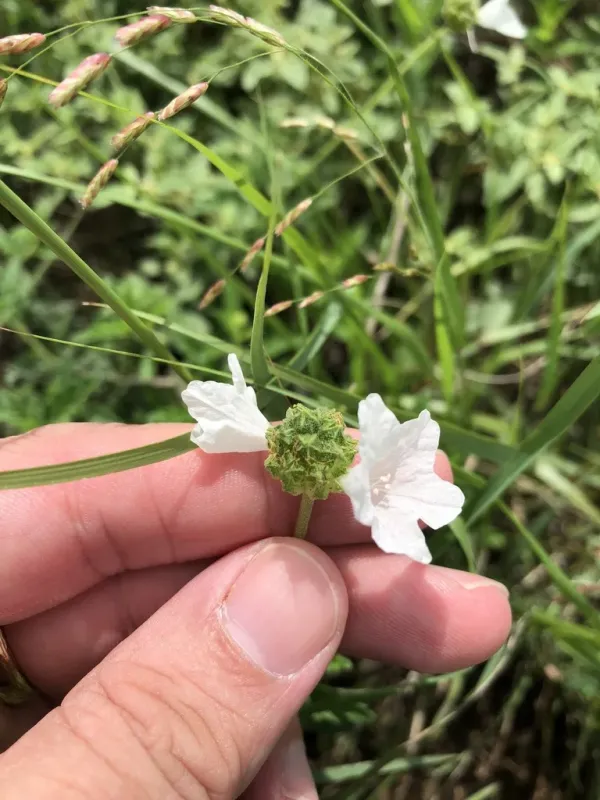
Description
Growing requirements
Varronia podocephala is a perennial herb belonging to the Boraginaceae family, often recognized for its medicinal properties and specific morphological traits within its native habitats.
Originating from the tropical regions of the Americas, this species thrives in environments characterized by high light intensity and moderate temperature fluctuations throughout the year.
The plant demonstrates significant structural adaptation to sandy or loamy soils, requiring good aeration for its root system to function effectively and avoid physiological stress.
Agricultural management should prioritize soil fertility maintenance through organic amendments, as the plant responds well to balanced nutrient availability during its main vegetative growth phase.
Its primary utilization spans across pharmacological applications where specific extracts are derived for their beneficial biological activities, alongside occasional use in ecological restoration projects.
Main diseases and pests
Common phytopathological challenges include fungal pathogens that exploit high-humidity microclimates within dense canopy areas, potentially affecting overall biomass quality.
Pest pressure is frequently observed from leaf-mining insects and sap-sucking arthropods, which can significantly inhibit the growth rate of juvenile plants.
Integrated pest management strategies are advised, focusing on mechanical removal of affected tissues and the application of environmentally safe biocontrol agents.
Crop rotation practices should be strictly followed to prevent the accumulation of soil-borne pathogens in fields dedicated to the continuous cultivation of this species.
Regular irrigation management is crucial not only for plant health but also for maintaining a hostile environment for certain pests that prefer specific moisture levels.