
Pulmonaria obscura
Pulmonaria obscura
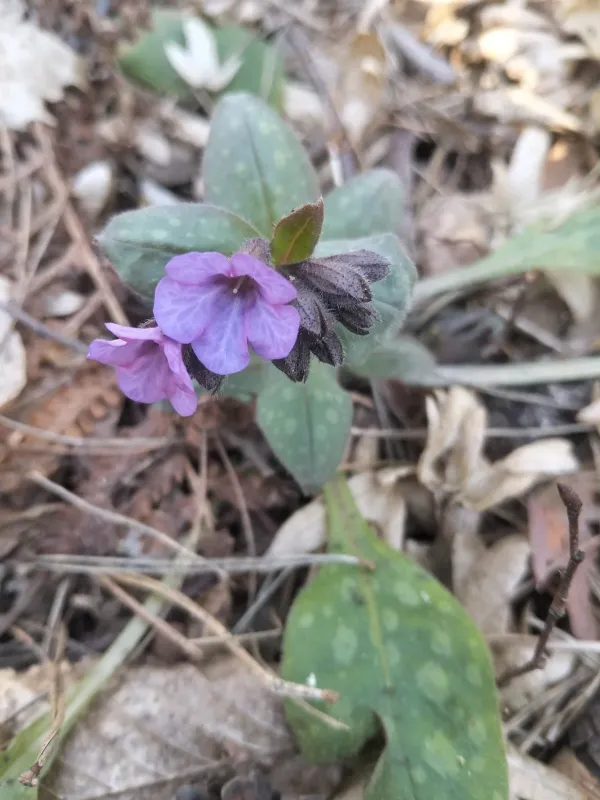
Description
Sowing dates
Pulmonaria obscura is primarily propagated by seeds or vegetatively through rhizome division. Sowing seeds in open ground is best done before winter, as they require mandatory stratification to ensure successful germination in the following spring.
For spring sowing, seeds must be kept at low temperatures for 1-2 months. The optimal sowing depth is 1–2 centimeters, which provides uniform seedling emergence under conditions of adequate soil moisture.
Vegetative propagation by division is best performed at the end of the flowering period or in early autumn. This allows the plant to establish roots before the onset of harsh frosts and survive the winter effectively in temperate climates.
The planting scheme depends on the purpose of cultivation: for decorative or medicinal plantations, a spacing of 30–40 centimeters between plants is typically maintained. This provides sufficient room for the development of the basal rosette of leaves.
The crop belongs to the Boraginaceae family, so it is crucial to observe crop rotation, avoiding planting in areas previously occupied by related species to prevent the accumulation of specific soil-borne pathogens.
Growing requirements
Pulmonaria obscura prefers shaded or semi-shaded areas, as direct sunlight often causes leaf burns and inhibits growth. In nature, it is a typical inhabitant of deciduous forests, which determines its need for protection from intense sunlight.
The plant has high soil moisture requirements: the ground must be kept consistently moist but without waterlogging. Excessive water leads to root system rot and the rapid decline of the plantation.
Optimal soils for this crop are fertile, loose, and rich in organic matter, with a neutral or slightly acidic pH. In nutrient-poor sandy substrates, lungwort loses its bioproductivity without regular fertilization.
The climatic resistance of lungwort is high; it tolerates cold winters well. During the growing season, the plant is sensitive to drought, necessitating regular irrigation if rainfall is insufficient.
Agronomic practices include mulching around the plants to conserve moisture and prevent overheating of the roots. Leaf mold is the most suitable mulch, as it mimics the plant's natural forest habitat.
Yield
The economic productivity of Pulmonaria obscura is evaluated based on the yield of vegetative biomass, which is used in pharmacology and culinary arts. With intensive care, the yield of marketable greens can reach 2–3 kilograms per square meter annually.
Maximum biomass yield is observed in the 3rd or 4th year after planting, when the plant reaches full biological maturity. Harvesting for medicinal raw materials is conducted during the mass flowering period, when active compounds in the leaves are at their peak.
Lungwort is also valued as an early honey plant, providing a productive nectar flow for bees at the beginning of the season. Honey yield can reach 30–50 kilograms per hectare in specialized forest areas.
To maintain stable yields, it is recommended to rejuvenate the plantation every 5–6 years. Older plants tend to thin out, which reduces the overall efficiency of land use.
Crop quality depends on mineral nutrition: applying potassium-phosphorus fertilizers in autumn promotes better tissue maturation and increases the content of active components in the leaves.
Main diseases and pests
The most dangerous disease for lungwort is powdery mildew, which develops in high humidity and poor air circulation. Infection leads to premature leaf drying and loss of marketability.
Pests such as slugs and snails often damage young leaves by eating holes in them. Control measures include both biological methods and creating physical barriers around the plantation.
Root rots may occur due to systematic waterlogging or poor drainage. The first signs of infection include yellowing and wilting of the lower leaves, followed by the rapid decline of the entire plant.
Insect pests, including bugs and certain caterpillars, can cause localized damage by feeding on inflorescences. In small-scale production, pest control is managed through manual collection or approved bio-pesticides.
Disease prevention is based on maintaining optimal planting density, which avoids moisture stagnation in the root zone. Timely removal of infected debris helps stop the spread of infection to adjacent plants.
Harvesting
Harvesting of the aerial parts begins during the peak flowering phase, as the plant contains the highest concentration of biologically active compounds, such as tannins and saponins, at this stage.
Cutting is performed using a sharp tool at a height of 5–7 centimeters from the soil surface, taking care not to damage the root crown to ensure further regeneration. Only healthy, disease-free leaves and stems should be harvested.
After harvest, the raw material is dried in dark, well-ventilated rooms or in driers at temperatures not exceeding 40 degrees Celsius. Overheating destroys beneficial substances and alters the raw material's color.
Properly dried lungwort retains the natural green color of the leaves. Storage must take place in a dry, dark place in tightly sealed containers to prevent exposure to moisture and foreign odors.
When using the plant as a honey source, harvesting is not required; however, monitoring the stand condition and timely mowing of weeds is necessary to prevent competition with other plant species.