
Podonosma orientalis
Podonosma orientalis
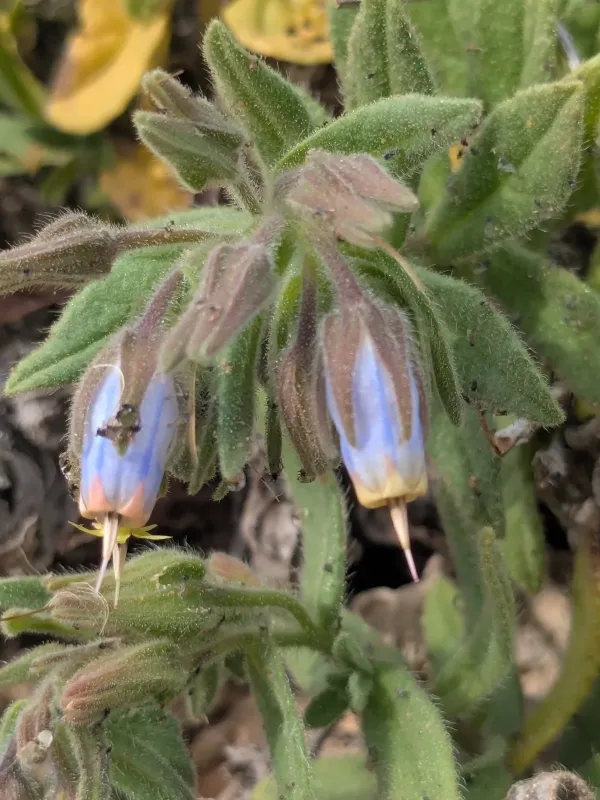
Description
Sowing dates
Podonosma orientalis is a perennial species typically found in the wild, requiring specific conditions for successful cultivation from seeds in an agricultural setting.
For optimal germination, seeds should be sown in late autumn, as they require a period of cold stratification to overcome natural dormancy mechanisms.
The sowing depth must be kept shallow, at approximately 1–2 centimeters, ensuring the seeds are in close contact with a well-aerated, moist growing medium.
Due to the slow growth rate in the early stages, it is critical to keep the seedbed free from aggressive weeds that could compete for light and nutrients.
The plant demonstrates a gradual development pattern, which necessitates patience during the establishment phase of the first growing season.
Growing requirements
Belonging to the Boraginaceae family, Podonosma orientalis is biologically adapted to harsh, arid, and rocky environments, making it highly resilient.
The plant thrives in full sun exposure, requiring high light intensity to support its metabolic processes and the synthesis of phytochemicals.
Well-drained, calcareous soils with a neutral to slightly alkaline pH are the most suitable substrates for its long-term health and growth.
It is exceptionally drought-tolerant and performs poorly in environments with heavy, waterlogged soils or high humidity, which can cause root damage.
In terms of agricultural management, providing adequate soil structure and preventing compaction are the primary factors for successful crop establishment.
Yield
The yield potential of Podonosma orientalis is largely dependent on the environmental stability of the cultivation site and the timing of biomass harvest.
As a non-traditional crop, its biomass production is moderate, as the plant invests significant energy into stress-resilient physiological structures.
Seed yield can be unpredictable due to the indeterminate flowering habit, meaning that fruits mature over an extended period rather than simultaneously.
Management practices aimed at enhancing growth must focus on maintaining soil health rather than high-intensity fertilization, which may reduce quality.
The current agricultural value of the crop is linked to its specialized use in pharmaceutical research and its potential for xeriscaping or rocky soil restoration.
Main diseases and pests
Common pathological issues in this crop include fungal infections such as powdery mildew, which appear when ventilation is inadequate in the field.
Root rot is a significant risk factor if the field site does not provide sufficient drainage, leading to oxygen deficiency in the rhizosphere.
Insect pests, including various aphids and weevils, can cause damage by feeding on the sap of young shoots, potentially weakening the entire plant.
Effective management of these threats involves monitoring the population density of pests and applying integrated pest control strategies when necessary.
Proper spacing between rows is essential to improve airflow, which significantly reduces the humidity levels that promote fungal pathogen development.
Harvesting
The harvest of aerial biomass should be timed with the peak of the flowering period to capture the highest concentration of bioactive compounds.
Manual harvesting techniques are often required to ensure high-quality material, as the delicate nature of the plant stems can be damaged by machinery.
Following harvest, the material requires rapid drying in well-ventilated, shaded areas to prevent spoilage and preserve the essential active ingredients.
Storage of the processed plant material must be in moisture-resistant containers to maintain long-term stability and prevent fungal growth.
Careful attention must be paid to temperature control during the drying process to ensure that the chemical profile of the plant remains intact.