
Paracaryum strictum
Paracaryum strictum
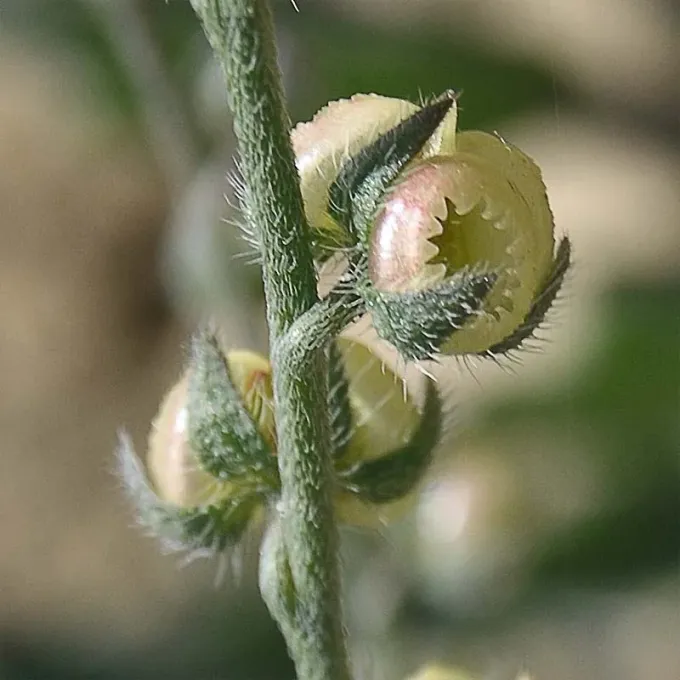
Description
Growing requirements
Paracaryum strictum is a herbaceous perennial plant belonging to the Boraginaceae family. Its natural habitat includes various regions with stable semi-arid environmental conditions.
The plant exhibits specific requirements for its growth environment, demanding high solar exposure to ensure optimal biomass production and development during the vegetative stage.
Regarding soil conditions, this species thrives in well-drained, sandy-loam or rocky soils. It is critical to ensure that the substrate is not waterlogged, as the root system is susceptible to decay in excessive moisture.
Agricultural management requires minimal but precise irrigation practices. The plant shows significant tolerance to drought, making it suitable for areas with irregular precipitation patterns.
As a biological resource, it is frequently studied for its role in xeriscaping and soil stabilization, highlighting its potential utility in sustainable landscape management.
Main diseases and pests
The primary threats to Paracaryum strictum are fungal pathogens that flourish in environments with poor air circulation or stagnant water, leading to stem and root rot.
Pests such as aphids and leaf-eating beetles often target the foliage during active growth, requiring vigilant scouting and proactive management strategies.
Biological control methods are preferred over broad-spectrum insecticides to protect the beneficial pollinators that frequent this plant during its flowering period.
Ensuring proper weed control is essential for preventing the competition for light and nutrients, which can otherwise stunt the growth of young plants.
Strict adherence to sanitation protocols during the harvest or maintenance cycles is necessary to prevent the spread of soil-borne pathogens across the planting area.