
Lindelofia longiflora
Lindelofia longiflora
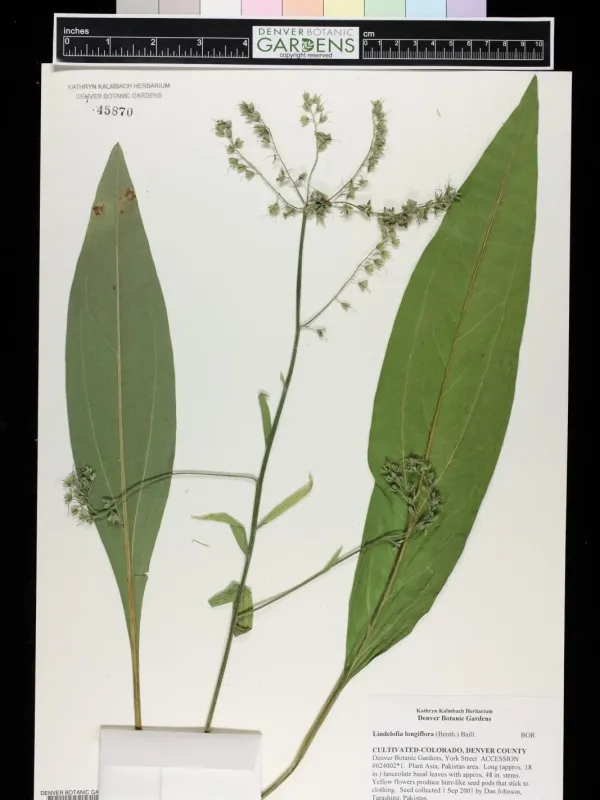
Description
Sowing dates
Lindelofia longiflora is a hardy perennial belonging to the Boraginaceae family, typically propagated from seeds sown during the early spring season.
The seeds generally require a period of stratification at low temperatures to break dormancy, ensuring a higher germination rate for successful establishment.
Sowing in trays or containers allows for better control over moisture levels, which is critical during the delicate early germination stage of the seedlings.
When sowing in the field, space the plants at least 30-40 cm apart to ensure adequate air circulation and to prevent the development of fungal diseases.
Seedlings should be hardened off before being transplanted into their permanent outdoor location once the threat of frost has completely passed in spring.
Growing requirements
This plant thrives in sunny, well-ventilated positions, although it can tolerate partial shade in regions with extremely hot summer climates.
Soil requirements focus on excellent drainage; Lindelofia longiflora does not tolerate "wet feet" and will suffer in heavy, clay-based, waterlogged soils.
While the plant is drought-tolerant once established, it benefits from moderate irrigation during the peak growing season to ensure optimal flowering performance.
It adapts well to a wide range of soil pH levels, but prefers slightly alkaline to neutral conditions, which are typical for its natural mountainous habitat.
Minimal fertilization is required; a light application of balanced compost or slow-release granular fertilizer in early spring is usually sufficient for growth.
Main diseases and pests
The primary threats to Lindelofia longiflora are fungal issues caused by excessive humidity or poor soil drainage, leading to crown or root rot.
Garden pests such as slugs and snails are attracted to the young, succulent foliage, especially during damp spring weather, and may require protective barriers.
Powdery mildew can occasionally affect the leaves in stagnant air conditions, necessitating improved spacing or the application of appropriate fungicides.
Aphids might colonize the flower spikes during periods of high stress, which can be managed using insecticidal soaps or natural biological control methods.
Regular monitoring of the foliage and root zone is essential to identify early signs of stress or infestation, allowing for prompt intervention and care.