
Lindelofia anchusoides
Lindelofia anchusoides
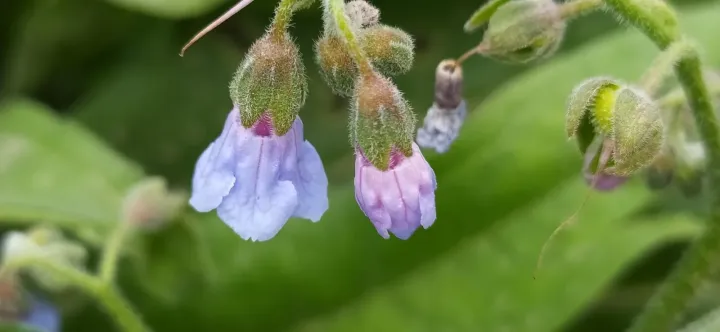
Description
Sowing dates
Lindelofia anchusoides is typically propagated through seeds. Direct sowing in autumn allows for natural cold stratification, which is essential to break seed dormancy and ensure robust germination in the following spring.
If starting indoors, seeds should be sown in early spring in well-draining seed-starting mix. Maintain an ambient temperature of around 18–20 degrees Celsius for optimal seedling development.
Once the seedlings develop at least two sets of true leaves, they should be carefully pricked out into individual pots. This transition helps the young plants build a stronger root system before transplanting outdoors.
Transplanting into the permanent location should only occur after the threat of spring frosts has completely passed. Choose a location with loose, well-draining soil to encourage healthy growth.
Maintain a spacing of at least 35–40 centimeters between individual plants. Proper spacing is crucial for airflow, which prevents the development of fungal pathogens and allows each plant to reach its full size.
Growing requirements
As a member of the Boraginaceae family, Lindelofia anchusoides thrives in sunny, open environments. It is well-suited for rock gardens or borders where it can receive at least six hours of direct sunlight daily.
The soil should be light and well-draining, with a preference for neutral to slightly alkaline pH levels. Heavy, clay-heavy soils should be amended with organic matter or grit to improve aeration and drainage.
While the plant is highly drought-tolerant once established, it benefits from moderate watering during prolonged dry spells in the summer. Avoid overhead watering to keep the foliage dry and healthy.
Fertilization is rarely necessary if the plant is grown in fertile garden soil. An occasional application of a balanced liquid fertilizer in early spring can boost flower production during the main season.
Winter hardiness is a key feature of this species. In most temperate climates, it requires no extra winter protection, though a light layer of mulch can protect the crown in areas with extreme temperature fluctuations.
Main diseases and pests
Root rot is the most significant threat to the health of Lindelofia anchusoides, usually triggered by poor drainage or overwatering. Always prioritize a site that does not retain standing water.
Aphids can occasionally colonize the soft, new growth during the spring. Early detection is key; simple mechanical removal or the use of insecticidal soaps is usually enough to manage small infestations.
Powdery mildew may occur if plants are crowded or if humidity levels remain consistently high. Improving air circulation around the plants is the primary method to prevent this fungal issue.
Slugs and snails may target the succulent leaves during rainy weather. Using physical barriers like crushed eggshells or copper tape around the perimeter of the planting area can effectively deter these pests.
Overall, this plant is considered hardy and resistant to most common garden diseases. Maintaining good sanitation by clearing dead foliage in the autumn is the best practice for a disease-free garden.