
Allocarya figurata
Allocarya figurata
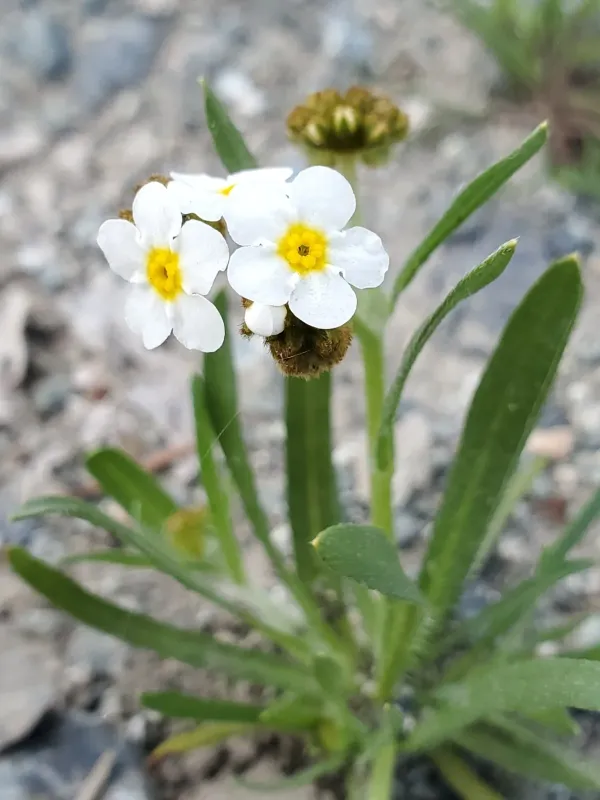
Description
Sowing dates
Allocarya figurata is a botanical species belonging to the Boraginaceae family, characterized by its unique flowering patterns and adaptation to specific environmental niches.
The sowing process is typically initiated during the spring season when soil temperatures are stable, facilitating optimal germination rates for the seeds.
Given the size and structure of the seeds, surface sowing or very shallow planting is recommended to ensure that the seedlings receive adequate light for photosynthesis.
Effective establishment of the crop depends on consistent moisture availability in the initial weeks, ensuring that the roots can anchor effectively in the substrate.
Crop management practices often include monitoring plant density to prevent overcrowding, which can negatively impact the development of individual plants and overall harvest quality.
Growing requirements
The species thrives in well-drained, porous soils that prevent waterlogging, which is a common cause of failure in the cultivation of this genus.
Allocarya figurata demonstrates a strong preference for full sun exposure, which is essential for stimulating its growth cycle and maximizing the production of its characteristic inflorescences.
Regarding climate, the plant prefers regions with moderate temperatures and a distinct seasonality, avoiding extremes of frost or intense, prolonged heatwaves.
Nutrient management should focus on a balanced application of fertilizers, prioritizing soil aeration and organic matter content to maintain long-term fertility.
Regular weeding is a critical agronomic requirement, as this species competes poorly with aggressive weeds during its primary vegetative development stages.
Main diseases and pests
The primary threats to Allocarya figurata include fungal pathogens that emerge during periods of high humidity and poor air circulation around the canopy.
Insect pests, specifically sap-sucking insects like aphids, can pose a challenge, particularly when plants are stressed by drought or nutrient deficiencies.
Integrated pest management strategies involve regular field inspections and the use of targeted biological controls to suppress population growth of harmful insects.
Management of soil-borne diseases often requires crop rotation techniques to prevent the accumulation of pathogens within the specific cultivation area over multiple seasons.
Proactive maintenance of sanitation in the field, such as removing infected tissue, serves as a primary defense against the spread of viral and bacterial infestations.
Harvesting
The harvest period for Allocarya figurata is determined by the specific maturation of its seeds or floral structures, requiring careful monitoring of the phenological phases.
Manual harvesting is often preferred to ensure the delicate structures are preserved, preventing physical damage that could occur with automated machinery.
Post-harvest handling requires dry, ventilated storage to prevent moisture accumulation and the subsequent risk of fungal spoilage in the stored product.
Optimization of harvest timing is essential to ensure maximum yield potential, as premature or delayed collection can lead to significant losses in quality and biomass.
Cleanliness during the harvesting process, including the cleaning of collection tools, helps to maintain the high standard of the agricultural output.