
Alpine bluebell
Mertensia alpina
Description
Growing requirements
The Alpine bluebell (Mertensia alpina) belongs to the Boraginaceae family. It is a perennial plant native to the alpine and subalpine zones of North America, typically found in high-altitude rocky environments where temperatures remain relatively cool throughout the growing season.
The cultural requirements for this species are strict regarding soil composition. It demands well-drained, porous soils that mimic the scree and rocky slopes of its natural habitat to prevent root rot, which is the most significant physiological risk to the plant.
Climatically, the plant thrives in areas with high light intensity but suffers under prolonged summer heat. It prefers a climate that avoids extreme heat waves, making it an excellent candidate for alpine gardens or regions with cooler summer temperatures.
In terms of agricultural maintenance, Alpine bluebell requires minimal fertilization as it is adapted to nutrient-poor rocky soils. However, consistent moisture during the early spring growth phase is essential for optimal development.
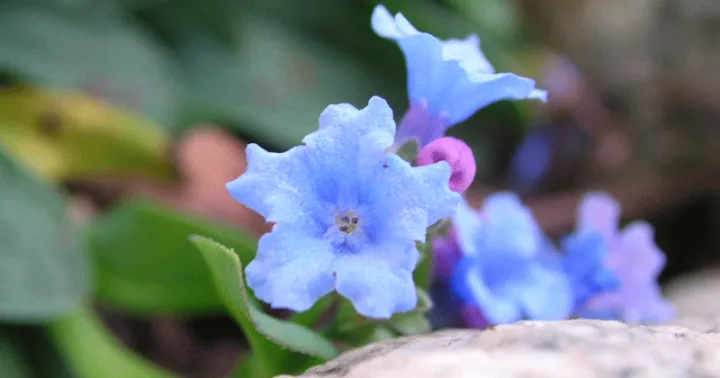
The primary use of Mertensia alpina is ornamental. Due to its striking blue, bell-shaped flowers and compact, rosette-forming leaves, it is highly valued by landscape designers for rockeries, stone troughs, and specialized alpine gardening collections.
Main diseases and pests
The most persistent threats to the health of Alpine bluebell are associated with improper drainage and high humidity. Fungal diseases often target the root system when the plant is kept in heavy or waterlogged soil.
Pests that commonly affect this plant include aphids, which cluster on the tender tips of the stems, sucking plant sap and potentially causing stunted growth and distorted foliage during the early spring bloom.
Spider mites are another common challenge, especially in environments where air circulation is poor or humidity is too low. Their presence is often indicated by fine webbing and discoloration of the leaf surfaces.
Slugs and snails can also damage the foliage. Manual removal or the use of physical barriers around the base of the plant is recommended to preserve its appearance in a garden setting.
Disease management relies primarily on cultural practices: providing excellent drainage, ensuring adequate airflow, and avoiding overhead irrigation, which can encourage the growth of foliage-pathogenic fungi.