
Asteropeia
Asteropeia
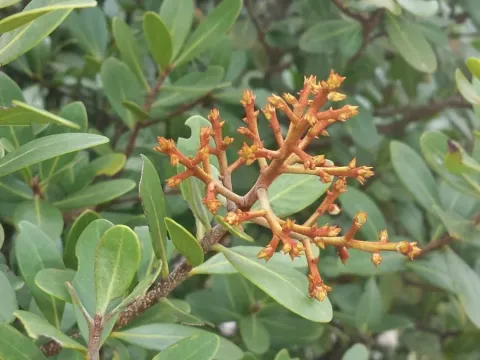
Asteropeia is a genus of woody plants belonging to the family Asteropeiaceae. These are endemic plants native to the humid tropical forests and mountain ranges of the island of Madagascar.
What the section contains


Asteropeia
Biologically, the genus includes several species of trees and shrubs that have adapted to the specific conditions of the island's climate. They prefer acidic, well-drained soils rich in organic matter.
The climate requirements of the culture include consistently high temperatures without sharp frosts and a significant level of air humidity. The plant does not tolerate dry periods well and needs protection from direct scorching sun at a young age.
In its natural habitat, Asteropeia forms a characteristic dense crown with leathery leaves. The root system requires significant space, so in cultivation, it is important to provide a deep soil layer for the healthy development of the tree.
The agrotechnology for growing this plant in conditions outside its natural habitat requires strict control over the microclimate of greenhouses or orangeries. A vital aspect is regular watering that prevents water stagnation, which can lead to root rot.
Currently, Asteropeia is not a mass-market agricultural crop on an industrial scale. Its use is predominantly decorative and scientific in nature, so biomass yield indicators are not standardized.
The main commercial interest lies in the wood, which is sometimes used for local needs in the regions where it grows. However, due to the rarity of the species, active logging is not conducted, which helps preserve the population in forest areas.
The potential of the plant as a source of phytochemical compounds is not fully understood, which leaves the question of its application in pharmacology or cosmetology open. Researchers note the presence of specific secondary metabolites.
The ornamental value of Asteropeia lies in its unique habitus and evergreen foliage. In botanical gardens around the world, the plant is valued as a rare collectible specimen that requires special care skills to reach its peak condition.
Projections for industrial cultivation depend on the success of introduction into new climate zones. At the moment, the volumes of planting material available are limited and have virtually no impact on the international plant market.
The main threats to Asteropeia in the wild are anthropogenic factors, such as the reduction of Madagascar's natural forests. Loss of habitat puts many species of this genus at risk of extinction.
In greenhouse conditions, plants can be attacked by classic pests of tropical crops, such as spider mites and mealybugs. Regular inspection of the leaves helps to detect signs of damage in a timely manner.
Fungal root diseases pose a significant danger when humidity regimes are violated. Excessive watering or poor drainage creates a favorable environment for pathogens that cause root rot.
Infections transmitted through insect vectors can also negatively affect the condition of young seedlings. Prevention includes adherence to quarantine measures when introducing new plants into a collection.
The biological resistance of the species to typical pathogens remains a subject of observation. An important factor in maintaining health is substrate cleanliness and the use of balanced fertilizers with micronutrients.