
Philippine Aglaonema
Aglaonema nitidum (Jack) Kunth x A. philippinense Engl. var. stenophyllum (Merr.) R. N. Jervi
Description
Growing requirements
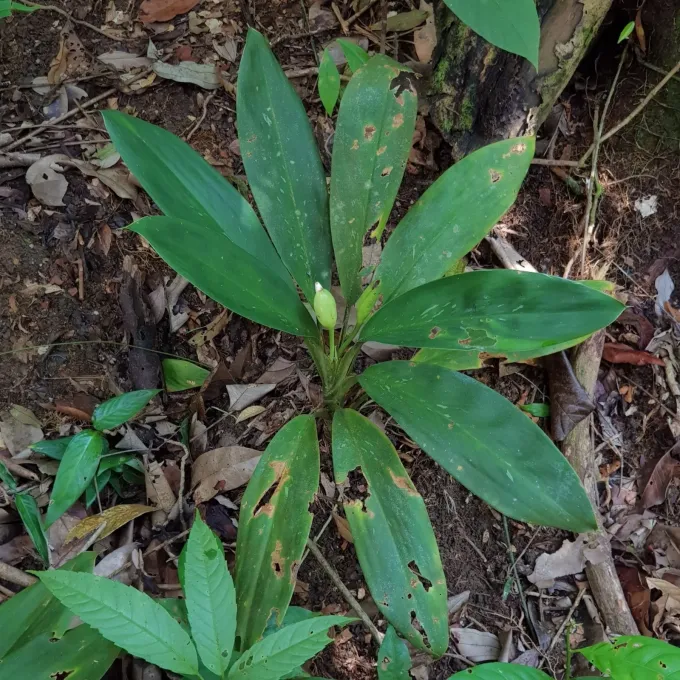
Philippine Aglaonema is a notable ornamental crop belonging to the Araceae family. It is a refined hybrid originating from the cross-breeding of Aglaonema nitidum and Aglaonema philippinense, valued for its slender, glossy foliage and patterned leaf texture.
Originating from the tropical rainforests of Southeast Asia, this crop thrives in warm, humid environments. In commercial production, it requires steady temperatures between 20°C and 26°C and a relative humidity level consistently maintained above 60%.
The crop demands a well-aerated, slightly acidic substrate with a pH ranging from 5.5 to 6.5. A high-quality growing medium often consists of peat moss, pine bark, and perlite, which ensures efficient drainage while retaining necessary moisture for plant vitality.
Regarding lighting requirements, the plant prefers filtered or indirect light. Exposure to intense sunlight should be strictly avoided as it leads to severe leaf burn and the rapid degradation of chlorophyll, reducing the plant's aesthetic value.
Effective agrotechnical practices focus on moderate watering cycles, ensuring the top layer of soil remains slightly dry before re-watering. Fertilization is essential during the active growing season, utilizing balanced liquid fertilizers to sustain foliage density and color.
Main diseases and pests
Disease management is critical for the long-term productivity of Philippine Aglaonema. The most prevalent issues are fungal rots, such as Rhizoctonia and Pythium, which occur due to poor drainage and waterlogged soil conditions.
Insect pests pose significant challenges, particularly spider mites, mealybugs, and scale insects. These pests often congregate on the undersides of leaves, causing structural damage and stunted growth if left unchecked by integrated pest management.
Control strategies involve a combination of biological and chemical interventions. Regular misting and leaf cleaning help prevent mite infestations, while systemic insecticides are reserved for severe outbreaks of scale or mealybugs.
Sanitation is a vital component of plant health. Pruning dead or diseased foliage using disinfected tools is necessary to prevent the spread of bacteria and fungi throughout the greenhouse or domestic setting.
To ensure robust growth, maintaining consistent environmental parameters is the best preventive measure. Stress-free conditions significantly increase the plant's natural resistance to opportunistic pathogens and pest attacks.