
Aglaonema philippinense var. stenophyllum
Aglaonema philippinense Engl. var. stenophyllum (Merr.) R. N. Jervis
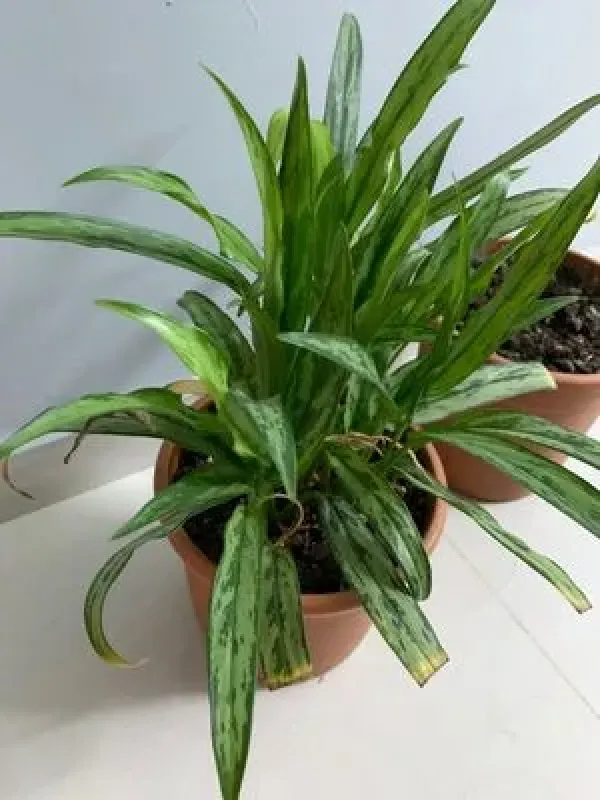
Description
Growing requirements
Aglaonema philippinense var. stenophyllum is a distinctive cultivar within the Araceae family, native to the tropical rainforests of the Philippines. It thrives in the understory of dense forests, adapted to low-light conditions and high humidity levels characteristic of its natural habitat.
The cultural requirements for this plant include consistent warmth and moisture. Ideal temperatures range from 20°C to 25°C. Exposure to sudden temperature drops or chilled air currents can lead to significant foliage damage and stunted growth in this sensitive tropical species.
Regarding soil, this variety demands a well-draining, aerated growing medium. A mix of peat moss, pine bark, and perlite provides the necessary structure to prevent compaction and ensure adequate oxygen availability for the sensitive root system of the plant.
Botanically, it is recognized for its narrow, lanceolate foliage which offers a unique aesthetic contrast compared to broader-leafed Aglaonema species. The plant exhibits slow, stable growth patterns, making it an excellent choice for long-term interior landscaping and collection cultivation.
In terms of commercial utility, this variety is highly prized in the indoor plant industry for its air-purifying capabilities and high shade tolerance. It is predominantly cultivated in specialized nursery environments to ensure strict climate control during the propagation phase.
Main diseases and pests
Pest management is a critical aspect of Aglaonema cultivation. Common threats include mealybugs and spider mites, which typically thrive in environments with low ambient humidity. Regular misting and leaf hygiene are essential preventive measures against these infestations.
Root rot, often caused by pathogens such as Pythium or Phytophthora, remains the primary disease threat. This usually results from overwatering or the use of heavy, poorly draining substrate that prevents root oxygenation.
Proactive monitoring is necessary to maintain plant health. Early identification of yellowish or brown spots on leaves often indicates improper watering schedules or potential fungal infection, requiring immediate adjustment of the environmental parameters.
Chemical control should be employed judiciously. Systemic insecticides are effective against sap-sucking pests, while copper-based fungicides may be utilized if fungal leaf spots are confirmed during the growing season.
Maintaining a balanced nutritional profile through seasonal fertilization supports the plant’s innate resistance to pests and pathogens, ensuring long-term vigor and attractive leaf coloration.