
Aglaonema nitidum
Aglaonema nitidum (Jack) Kunth
Description
Growing requirements
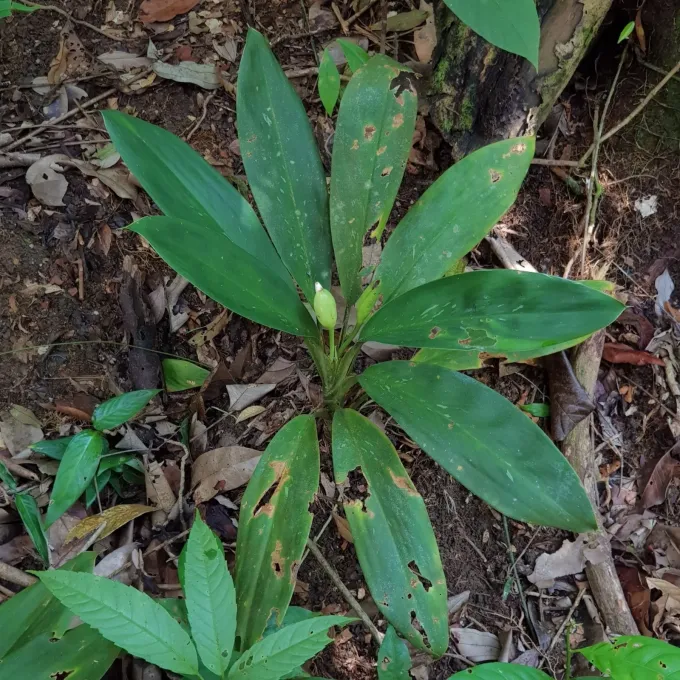
Aglaonema nitidum, known commonly as the shining aglaonema, is a robust herbaceous perennial member of the Araceae family. Native to the tropical rainforests of Southeast Asia, this species is highly valued in horticulture for its adaptability to low-light environments and deep green, glossy foliage.
Botanically, the plant features a sturdy, upright stem with large, lanceolate leaves that can grow to impressive lengths. Its leaf structure is designed for efficient photosynthesis under the shaded canopy of tropical forests, making it one of the most reliable choices for indoor ornamental applications.
Agricultural success with this crop relies on maintaining a consistent environment with temperatures between 20°C and 25°C. The plant is sensitive to cold drafts and temperatures dropping below 18°C, which can cause significant physiological stress and leaf drop.
The substrate must be well-draining, porous, and nutrient-rich, ideally maintaining a pH level between 5.5 and 6.5. A mixture of high-quality peat, perlite, and coarse bark is recommended to provide both moisture retention and adequate aeration for the sensitive root system.
Irrigation management requires consistency; the growing medium should be kept slightly moist but never waterlogged. High ambient humidity, ideally above 60%, is essential for sustaining the health of the foliage, especially in managed greenhouse or residential environments.
Main diseases and pests
Root rot is the most prevalent pathological threat to Aglaonema nitidum, typically induced by poor drainage and excessive irrigation. The disease manifests as decay in the root system and browning of the lower stems, which can quickly lead to total plant collapse if not addressed.
Pest pressures are primarily dominated by spider mites and mealybugs. These organisms thrive in dry air and can rapidly colonize the undersides of leaves, causing chlorosis, leaf curling, and severe reductions in the plant’s photosynthetic capacity.
Bacterial leaf spot can occur under conditions of high humidity combined with poor air circulation. These infections create unsightly lesions on the foliage, which can expand and coalesce, eventually destroying the aesthetic and commercial value of the crop.
Integrated pest management is recommended, starting with cultural controls such as regular sanitation and optimal spacing to improve airflow. Using systematic insecticides and fungicides is necessary only when threshold levels of infestation or infection are reached.
Periodic monitoring of the canopy and substrate moisture is vital for early detection of stress. Prompt removal of necrotic tissue and proper disposal of diseased materials are necessary steps to prevent the spread of localized infections within the plant population.