
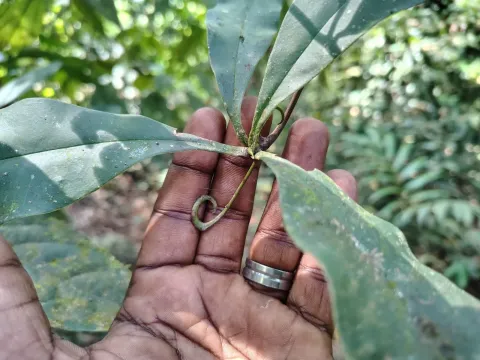
Ancistrocladus
Ancistrocladus
Ancistrocladus is a genus of tropical lianas belonging to the Ancistrocladaceae family. These plants are primarily native to the tropical forests of Central and Western Africa, as well as regions of Southeast Asia.
What the section contains

Ancistrocladus
To thrive, this culture requires a tropical climate characterized by consistently high temperatures and significant air humidity, which are essential for its physiological processes.
The plant requires nutrient-rich, well-draining soils. While it can survive in various soil types, waterlogging in the root zone is detrimental and often leads to rapid decay of the root system.
Botanically, it is a hemi-epiphyte. It starts life on the forest floor and utilizes specialized hooks to climb vertical surfaces and reach the canopy layer where sunlight is more abundant.
Growing Ancistrocladus on a commercial scale is challenging due to these precise environmental requirements, making wild harvesting the primary source of supply for chemical extraction.
The primary threat to Ancistrocladus populations is deforestation, which directly reduces the available forest canopy and disrupts the delicate ecosystem required for its survival.
Fungal pathogens represent a significant threat, especially in the high-humidity environments where these lianas grow, often exacerbated by physical damage to the stems.
Various tropical phytophagous insects and larvae pose a threat to the leaves and developing shoots, which can significantly reduce the yield of necessary biomass.
Climate change poses a long-term threat as altered precipitation patterns can disrupt the metabolic balance of the plant, potentially changing the chemical profile of its tissues.
Due to the lack of organized cultivation protocols, there is little to no systematic protection against pests or diseases, leading to variability in the quality of raw material.
The economic value of Ancistrocladus lies in its leaves and stems, which contain complex naphthylisoquinoline alkaloids with high pharmacological significance.
Scientists are particularly interested in the anti-retroviral properties of these alkaloids, which are currently being studied in laboratories worldwide for drug development.
Harvesting is typically performed by gathering biomass from wild populations, a process that necessitates adherence to sustainable practices to prevent over-exploitation.
Post-harvest handling is critical; the material must be stabilized immediately via drying or specialized storage to preserve the integrity of heat-sensitive chemical compounds.
Current research efforts are focused on both chemical synthesis of these alkaloids and sustainable cultivation methods to satisfy the potential demand of the pharmaceutical industry.