
Ancistrocladus tectorius
Ancistrocladus tectorius
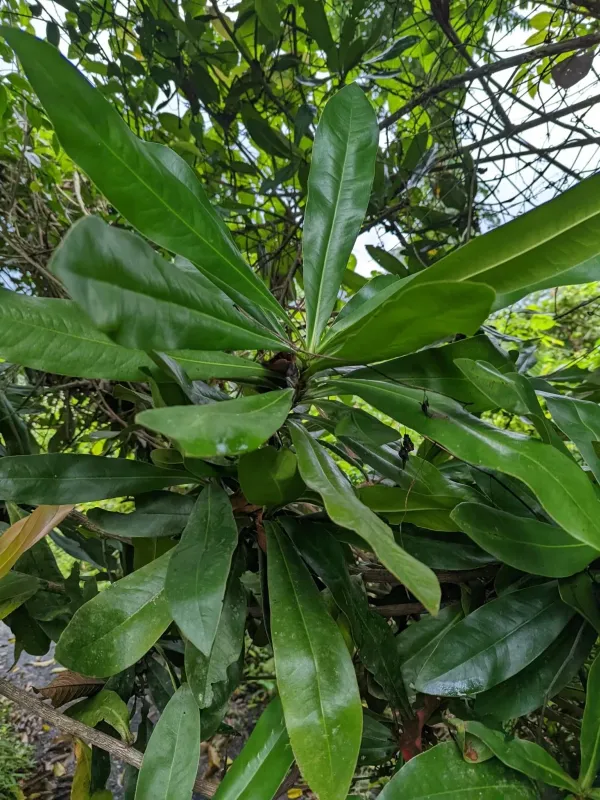
Description
Growing requirements
Ancistrocladus tectorius is a large woody vine belonging to the Ancistrocladaceae family. It is native to the tropical rainforests of Southeast Asia, thriving in regions with high humidity and temperatures that remain stable throughout the year.
The plant requires a tropical climate to flourish, characterized by consistent rainfall and warm conditions. It is not adapted to cold climates, and any significant drop in temperature can severely hinder its growth and secondary metabolic processes.
Soil requirements involve deep, well-draining, and nutrient-rich substrates, similar to forest floor soils found in its natural habitat. It prefers slightly acidic conditions that support the development of extensive root systems without becoming waterlogged.
As a climbing vine, Ancistrocladus tectorius needs structural support to reach maturity. In cultivation, this involves providing trellises or hosting trees that allow the plant to achieve its vertical growth habit and obtain the necessary light exposure.
Botanically, the plant is equipped with specialized hooked branches that facilitate its climb through the forest canopy. Its leaves are thick and leathery, providing durability in an environment defined by high competition for resources and light.
Yield
The primary agricultural interest in Ancistrocladus tectorius lies in its phytochemical profile, specifically its naphthylisoquinoline alkaloids. These compounds are of high value in the pharmaceutical industry due to their noted pharmacological activity.
Harvesting biomass from this plant must be done with precision to ensure long-term viability. The yield of medicinal compounds is sensitive to environmental variables, requiring standardized cultivation practices to maintain consistency in secondary metabolite production.
Strategic planting density is essential for maximizing yield. By ensuring each plant has adequate access to light and nutrients, cultivators can optimize the growth rate and, consequently, the production of alkaloids in the leaves and bark.
While traditional collection has focused on wild-harvested specimens, modern agricultural approaches are moving towards systematic plantation management to meet increasing global demand while protecting natural populations.
Periodic monitoring of the plant's health during the growth cycle allows for timely intervention to ensure high-quality output. The goal is to reach a sustainable harvest level that keeps the plant healthy for repeated extraction of bioactive materials.
Main diseases and pests
The plant faces significant threats from fungal infections, which can thrive in the humid environments necessary for the vine's growth. Proper airflow and space management within the plantation are vital to mitigating these risks.
Various insect pests and mites can cause damage to the foliage, which negatively impacts the plant's overall health and the efficacy of its secondary metabolites. Integrated pest management techniques are preferred over chemical treatments to preserve purity.
Habitat loss due to deforestation remains the most significant threat to the survival and natural propagation of Ancistrocladus tectorius. Conservation efforts and sustainable cultivation are necessary to ensure the species' continued availability.
Root rot is a common issue when soil moisture is not managed correctly. Ensuring a balanced drainage system is the primary defense against pathogens that target the root zone in tropical climates.
Over-harvesting of wild populations is another major concern. Agricultural development of this species helps reduce pressure on forest resources by providing a controlled supply of high-quality medicinal raw materials.