
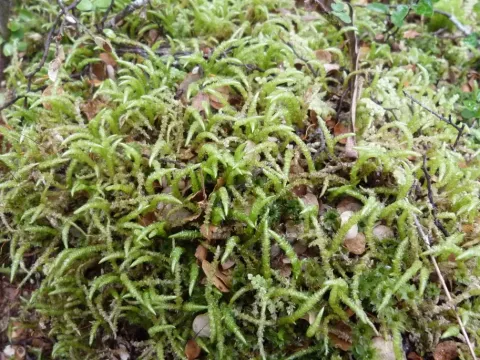
Acrocladium
Acrocladium
Acrocladium is a genus of mosses within the Amblystegiaceae family. These bryophytes are known for their preference for saturated environments and wetland habitats.
What the section contains

Acrocladium
The primary requirement for growth is a consistent water source. They thrive in marshy areas, edges of ponds, and damp forest soils where groundwater levels are high.
Soil chemistry is essential for the health of Acrocladium colonies. These plants generally favor neutral to slightly acidic substrates that facilitate nutrient uptake.
The genus displays remarkable cold tolerance, enabling it to inhabit northern regions where freezing temperatures occur frequently throughout the year.
Regarding sunlight, these mosses are adapted to shade and semi-shade conditions. Direct, intense sunlight can cause dehydration and damage the photosynthetic structures.
The most significant threat to Acrocladium populations is the drainage of wetlands and marshes for land development or agriculture.
Water pollution, particularly the accumulation of nitrogenous runoff and synthetic chemicals, creates an inhospitable environment for sensitive bryophyte species.
During extended periods of humidity combined with high heat, moss mats are susceptible to fungal pathogens that can cause rapid tissue decay.
Invasive species and rapid encroachment by vascular plants can outcompete Acrocladium for space and resources in their limited habitats.
Physical disturbance is also a factor, as heavy trampling by animals or humans leads to the mechanical breakdown of the delicate moss colonies.