
Calliergonella lindbergii
Calliergonella lindbergii
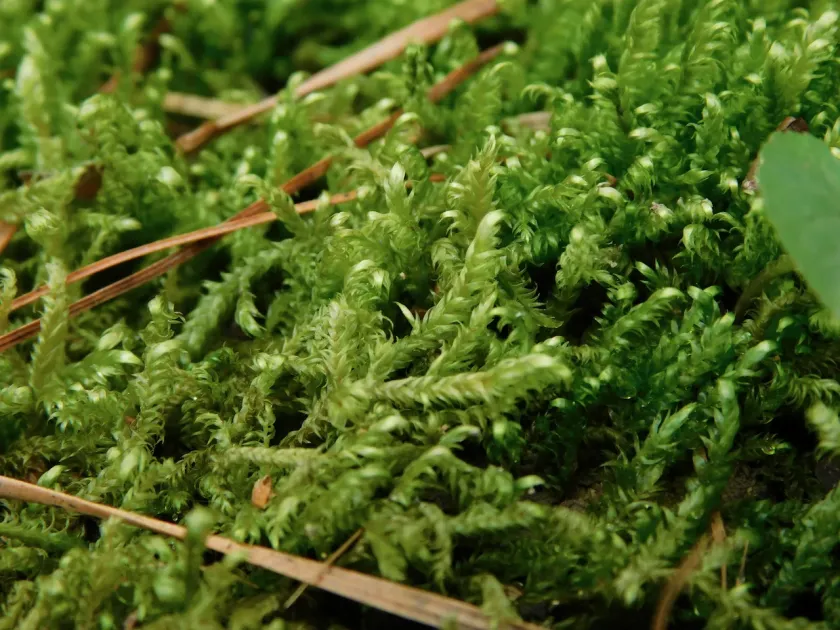
Description
Growing requirements
Calliergonella lindbergii is a prominent moss species belonging to the Amblystegiaceae family. It is a perennial bryophyte that is widely distributed across the temperate and subarctic regions of the Northern Hemisphere, often forming lush carpet-like colonies.
The habitat requirements for this species are strictly linked to moisture availability. It thrives in wetland areas, including fens, stream banks, and seasonally flooded depressions. It requires a stable hydrological environment to maintain its growth cycles throughout the year.
Botanically, the plant is characterized by its prostrate to ascending stems and ovate-lanceolate leaves. The structure of the gametophyte allows it to effectively trap moisture and nutrients, which supports its survival in diverse wetland niches.
Soil or substrate preferences include organic-rich soils, such as peat or wet mineral soils with varying levels of acidity. Unlike agricultural crops, this species does not require cultivation techniques, as its development is self-sustaining in optimal environmental conditions.
Economic and ecological significance lies in its role as a bio-indicator of environmental health. Researchers use its presence to monitor the integrity of peatlands and riparian zones, acknowledging its contribution to the overall stability of local wetland ecosystems.