
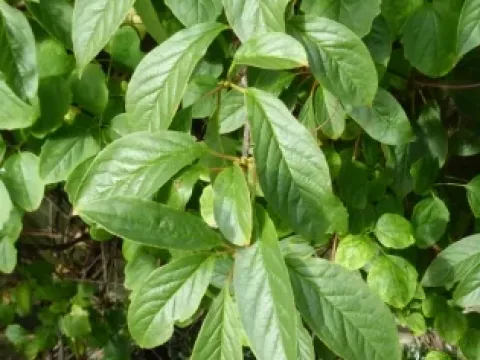
Clematoclethra
Clematoclethra
Clematoclethra is a genus of woody climbing plants belonging to the Actinidiaceae family. Native primarily to the mountainous forests of China, these vines naturally thrive in humid, shaded environments where they use existing vegetation to reach the canopy layer.
What the section contains

Clematoclethra
The plant is botanically related to the well-known kiwi fruit (Actinidia), but it displays unique features such as alternate leaf arrangement and distinct floral structures. As a perennial vine, it exhibits vigorous climbing behavior under suitable environmental conditions.
To successfully cultivate Clematoclethra, one must replicate its natural forest habitat. The plant requires a well-draining, humus-rich soil that retains moisture without becoming waterlogged. Partial shade is essential to prevent leaf scorch during the hottest parts of the day.
Soil pH should ideally be slightly acidic to neutral. Incorporating organic matter, such as compost or peat, can help maintain the required soil texture and moisture levels, which are critical for the root system health of this climbing species.
Temperature management is a key factor, as the species is sensitive to extreme frost. In colder climates, winter protection for the root zone and the stems is recommended to prevent frost damage during the dormant season.
The primary use for Clematoclethra is in ornamental horticulture. It is highly valued for vertical gardening, as it can quickly cover pergolas, trellises, and other garden structures, providing a lush green cover and attractive foliage.
Nursery propagation of this plant serves the growing market for rare and exotic climbers. Collectors seek out Clematoclethra for its botanical interest and its ability to add vertical diversity to sophisticated landscape designs.
While the fruits are not a major agricultural commodity, research into the genus occasionally investigates the chemical composition of its berries, looking for potential antioxidants or bioactive compounds similar to those found in other Actinidiaceae.
Seed harvesting is conducted when the fruits are fully ripe in the autumn. Propagating from seeds requires a period of cold stratification to break dormancy and ensure high germination rates before spring sowing.
Routine maintenance includes structural pruning to manage growth and remove dead wood. This practice not only keeps the plant aesthetically pleasing but also improves airflow through the foliage, reducing the risk of fungal infections in dense canopy areas.