
Clematoclethra scandens
Clematoclethra scandens
Description
Growing requirements
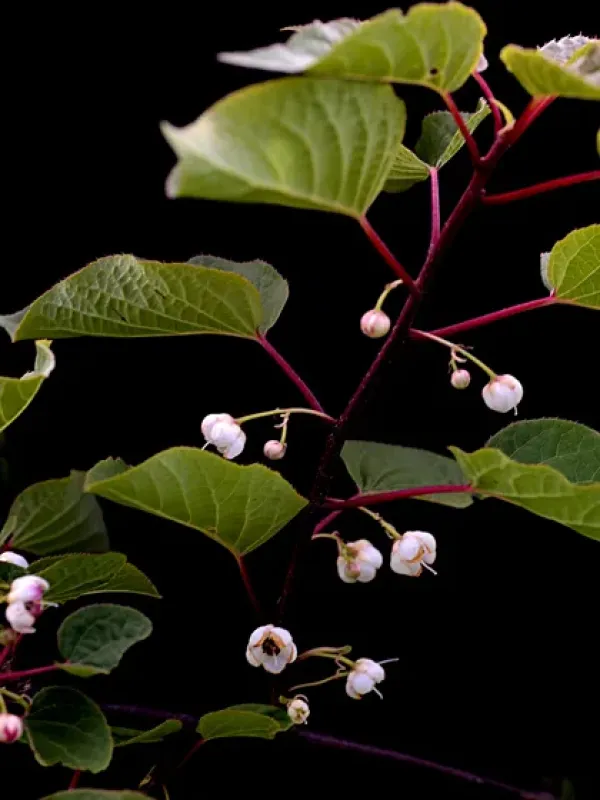
Clematoclethra scandens is a woody climbing vine that belongs to the Actinidiaceae family. Native to the mountainous forested regions of China, this plant has adapted to thrive in moist, temperate forest environments where organic litter is abundant.
The plant requires a well-drained, nutrient-rich soil with a slightly acidic to neutral pH. It is essential to maintain consistent soil moisture, as the plant is sensitive to drought, especially during its active growing season.
In terms of light, Clematoclethra scandens prefers partial shade or dappled sunlight. Intense, direct sun exposure can damage its foliage, so placing it near larger trees or on structures facing away from the harsh midday sun is ideal.
Agrotechnical maintenance includes the provision of sturdy vertical supports, as the vine relies on its stems to climb. Incorporating organic mulch around the base of the plant is highly recommended to regulate soil temperature and retain essential moisture levels.
The species is primarily utilized for its ornamental value in landscaping. Its ability to provide lush green cover on vertical structures makes it an excellent choice for shaded areas of a garden where other ornamental vines might fail to thrive.
Main diseases and pests
Fungal infections, such as root rot, pose a significant threat to Clematoclethra scandens, particularly when planted in soil with poor drainage or in conditions of excessive standing water.
Spider mites are the most common pests affecting this vine. These small arachnids thrive in hot and dry climates, necessitating regular monitoring of the underside of leaves to prevent extensive damage.
To prevent disease outbreaks, it is crucial to ensure good air circulation within the plant's canopy through periodic thinning and pruning of overcrowded or dead stems.
When chemical treatment is necessary, it should be applied cautiously, following best practices for ornamental plant protection to avoid harming beneficial garden insects.
Overall plant vitality is best maintained through proper site selection that protects the vine from extreme temperature fluctuations and cold, drying winds that can cause early desiccation of the leaves.