
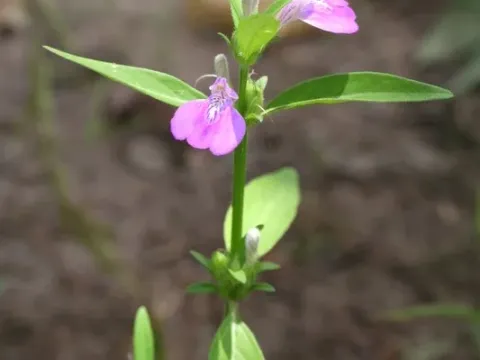
Justicia insularis
Justicia insularis
Justicia insularis is a perennial herbaceous plant belonging to the Acanthaceae family. It is native to the tropical regions of West Africa, where it thrives in moist, shaded forest understories.
What the section contains
Justicia insularis
The plant requires fertile, well-draining soil rich in organic matter. Soil pH should ideally be neutral or slightly acidic to ensure optimal nutrient uptake and robust vegetative development.
As a tropical species, it demands consistent warm temperatures, ideally between 22°C and 30°C. It is highly sensitive to cold and must be protected from any frost exposure in its growing environment.
Humidity is a crucial factor for the successful growth of Justicia insularis. High atmospheric moisture levels, typically above 70%, are preferred to prevent leaf desiccation and to support its natural metabolic rate.
Agricultural management requires regular soil moisture monitoring and light cultivation to prevent surface crusting. Organic mulch is recommended to maintain soil temperature stability and moisture retention.
The plant is susceptible to various fungal pathogens when humidity levels are excessively high or air circulation is poor, particularly in closed greenhouse systems.
Common pests include aphids and spider mites, which can infest the underside of leaves, causing chlorosis and stunted growth if left untreated during the early development stages.
Regular inspection of the foliage is essential to detect pest outbreaks. If an infestation occurs, integrated pest management practices should be employed to mitigate damage without harming the plant's medicinal quality.
Root rot is the most common physiological threat caused by over-irrigation or improper soil drainage. Ensuring a porous substrate and adequate spacing between plants significantly reduces this risk.
Preventive measures include maintaining proper ventilation and avoiding water contact with foliage during the late afternoon to prevent fungal spores from settling on the plant surface.
Justicia insularis is primarily cultivated for its leaves, which are harvested for their therapeutic and medicinal applications. The collection process requires careful timing to ensure maximum potency.
Selective harvesting is the standard practice, where only mature leaves or terminal shoots are removed. This ensures the plant remains productive and allows for multiple harvests within a single season.
Post-harvest processing involves air-drying the biomass in a shaded, well-ventilated space. Quick drying is necessary to preserve the delicate chemical compounds found within the plant tissues.
Storage should be conducted in airtight, opaque containers to prevent degradation caused by light and oxidation, which can diminish the efficacy of the dried botanical material.
Quality control during harvest involves screening for contaminants and removing any leaf spots or necrotic tissues to meet pharmaceutical or traditional medical standards.