
Dendranthema boreale
Dendranthema boreale
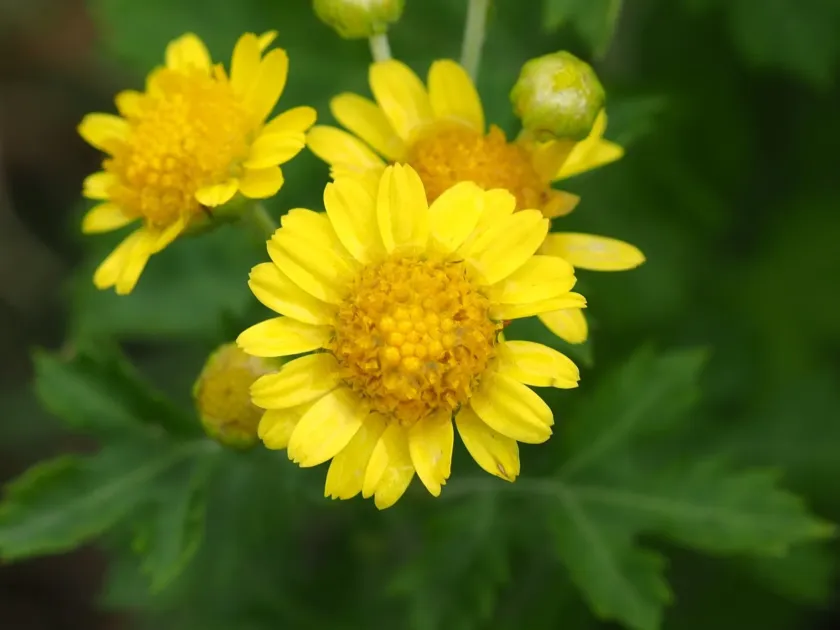
Description
Growing requirements
Dendranthema boreale is a perennial herbaceous plant belonging to the Asteraceae family. It is recognized in botany for its resilience and close evolutionary ties to the diverse genus of Chrysanthemums.
The native distribution area of this species spans across East Asia, predominantly in regions with temperate climates. The plant has evolved to withstand cold winters, making it a robust candidate for cultivation in various northern zones.
For successful development, the crop requires full sun exposure. While it is adaptable, it performs best in well-drained, sandy loam soils that prevent moisture accumulation around the root crown during dormant periods.
Botanical features include compound leaves with a fine pubescence and yellow floral heads that typically emerge late in the growing season. The plant's structure allows it to maintain vigor under varying environmental pressures.
In terms of usage, it is valued both as an ornamental plant for landscape design and as a subject of botanical study due to its bioactive compound profile, which has been investigated for potential pharmaceutical applications.
Main diseases and pests
The primary threats to Dendranthema boreale are fungal pathogens, specifically powdery mildew and rust. These diseases often manifest when environmental conditions include high humidity and poor ventilation.
Effective management begins with proper spacing to ensure adequate airflow. Reducing the frequency of overhead irrigation can significantly lower the risk of fungal infections by keeping the foliage dry during humid nights.
Insect pests such as aphids and spider mites are frequent invaders of the crop. These pests can rapidly proliferate in warm, dry weather, causing stunted growth and distorted foliage if left unmanaged.
Integrated pest management (IPM) protocols are recommended. This includes regular scouting for early signs of infestation and the removal of infected plant debris to break the disease cycle and minimize pest population levels.
When chemical intervention is necessary, growers should select targeted pesticides to minimize impact on beneficial pollinators. Following strict safety guidelines ensures both the health of the plants and the integrity of the surrounding ecosystem.