
Korean chrysanthemum
Dendranthema coreanum
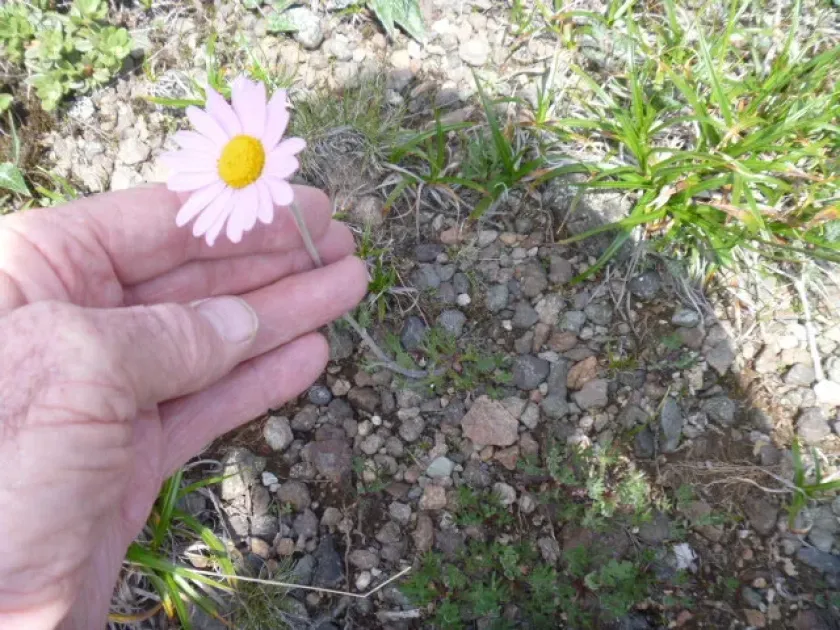
Description
Sowing dates
Korean chrysanthemum is most commonly propagated through vegetative methods, including division of the root system, root suckers, or spring cuttings.
The optimal timing for transplanting seedlings into open ground is late May, once all risks of late spring frosts have completely passed.
For seed propagation, sowing in nursery containers should be performed in March using well-draining, nutrient-rich potting medium.
Cuttings are often preferred in agricultural practice as they result in more uniform, robust plants that reach the blooming phase within the first year.
When planting in rows or garden beds, it is essential to maintain a spacing of at least 40 to 50 centimeters to prevent overcrowding and ensure air circulation.
Growing requirements
Dendranthema coreanum is a herbaceous perennial belonging to the Asteraceae family, well-regarded for its winter hardiness and adaptability to temperate climates.
This crop demands sunny, well-ventilated areas, as insufficient light often leads to legginess and a reduction in the overall floral quality of the plant.
The ideal soil conditions are loose, well-draining, and rich in organic matter, as the species is highly sensitive to waterlogged environments.
Soil pH levels should ideally be maintained in a slightly acidic to neutral range to facilitate the efficient uptake of essential macronutrients.
Consistent irrigation and scheduled application of fertilizers—nitrogen-focused in spring and phosphorus-potassium-focused in late summer—are vital for growth.
Main diseases and pests
The plant is susceptible to fungal pathogens such as powdery mildew, which often thrives in conditions with high humidity and stagnant air.
Gray mold is another significant concern, particularly during damp weather, requiring immediate intervention with approved fungicides to protect the flower buds.
Insect pests, including aphids and spider mites, are common threats that feed on cell sap, which can significantly stunt growth if left untreated.
Effective pest control strategies involve the use of systemic insecticides or biological control agents during early stages of infestation.
Cultural practices such as removing garden debris, ensuring proper plant spacing, and watering at the base help to minimize disease pressure significantly.