
Indian chrysanthemum
Dendranthema indicum
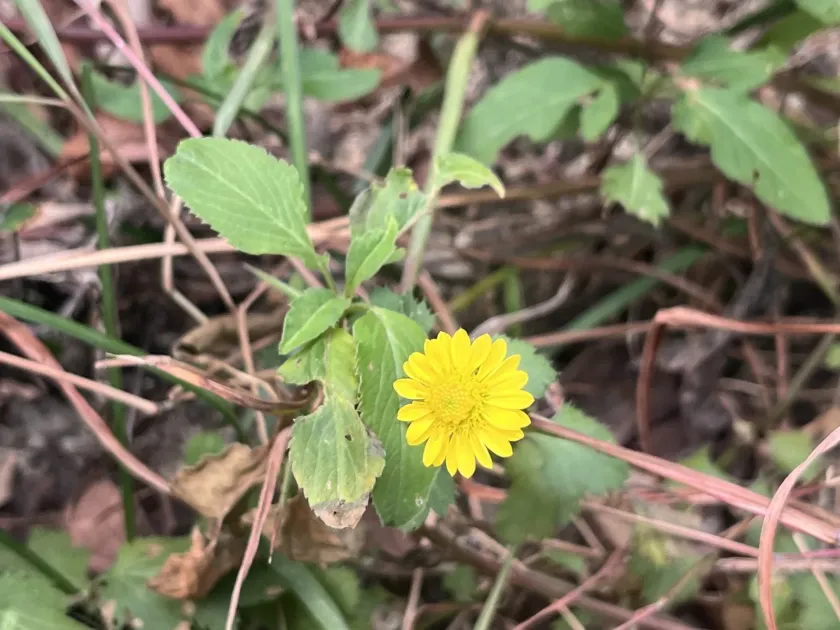
Description
Sowing dates
Indian chrysanthemum is propagated either by seeds or through cuttings, which is the most common method in professional horticultural practice for consistent quality.
Seeds should be sown in prepared seedbeds during early spring, ensuring the substrate remains consistently moist but not waterlogged to support germination.
Cuttings are usually taken from healthy, disease-free mother plants in late winter or early spring and treated with rooting hormones for faster development.
Transplanting seedlings to the final production site should occur after the danger of frost has passed to prevent stress and ensure rapid establishment of the root system.
Spacing between plants is crucial for air circulation and light penetration, so they are typically planted with enough distance to avoid overcrowding during the growth phase.
Growing requirements
Dendranthema indicum belongs to the Asteraceae family and is native to East Asia, where it is valued for both its ornamental beauty and medicinal properties.
The crop thrives in sunny locations, requiring several hours of direct light daily to stimulate healthy foliage development and rich flower production.
It demands fertile, well-draining soil with a pH ranging from slightly acidic to neutral to ensure the efficient uptake of essential nutrients and minerals.
Regular irrigation is vital during the growing season; however, overhead watering should be avoided to minimize the risk of developing fungal leaf diseases.
Balanced fertilization throughout the vegetation cycle promotes strong stem development, which is essential for supporting the flowers during the harvest period.
Main diseases and pests
Aphids and spider mites are the most common insect pests that can significantly damage the plants by feeding on sap and spreading viral infections.
Powdery mildew represents a major threat, particularly in greenhouses with poor ventilation or high humidity, resulting in white fungal patches on the foliage.
Root rot caused by excessive moisture in the soil can lead to sudden wilting and plant mortality if drainage systems are not effectively maintained.
Integrated pest management strategies, including the use of beneficial insects and selective organic pesticides, are highly effective in controlling infestations.
Sanitation practices, such as removing fallen leaves and pruning infected stems, are fundamental steps in preventing the spread of pathogens across the farm.
Harvesting
Harvesting for commercial use occurs when flowers are nearly fully open, ensuring that the desired size and petal quality are met for the target market.
If the crop is intended for medicinal processing, harvesting timing is critical to maximize the concentration of active chemical compounds in the flower heads.
Tools used for harvesting must be sterilized regularly to prevent cross-contamination between different plant rows or batches during the production process.
Once harvested, the product should be moved to a cool, dry area immediately to maintain its quality, shelf life, and visual appeal for the end consumer.
Post-harvest care involves clearing the field of debris and preparing the soil for the next cycle, including necessary soil amendments to restore nutrient levels.