
Cyrilla
Cyrilla
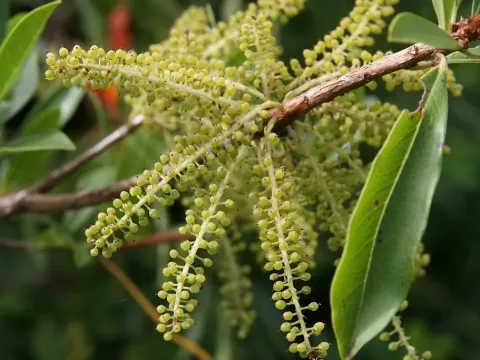
Cyrilla is a monotypic genus of flowering plants belonging to the family Cyrillaceae. The most prominent species is Cyrilla racemiflora, often known as swamp cyrilla or leatherwood. It is an evergreen or semi-evergreen shrub, or sometimes a small tree, reaching heights of up to 10 meters in ideal conditions.
What the section contains

Cyrilla
The native range of this plant includes subtropical and tropical regions of the southeastern United States, the Caribbean, and northern South America. In its natural environment, the culture thrives in moist, swampy soils, along riverbanks, and in periodically flooded forest areas.
Botanically, the plant is characterized by leathery, smooth leaves that may turn brilliant shades of red or orange before dropping in colder climates. The flowers are small, arranged in long, graceful racemes of white or creamy color, which provides high ornamental value for garden use.
Successful cultivation requires acidic, well-drained but consistently moist soils. The plant does not tolerate drought or extreme temperature fluctuations well, preferring sheltered locations with dappled sunlight or partial shade to protect its delicate foliage.
In terms of хозяйственное usage, Cyrilla is highly valued as an excellent honey plant, producing high-quality honey with a distinct flavor. Furthermore, it is widely used in landscape architecture for creating naturalistic hedges and bordering decorative water features.
The plant is generally considered resistant to diseases; however, improper moisture management can lead to fungal root rot. Maintaining soil acidity is crucial, as neutral or alkaline pH levels can lead to chlorosis and reduced plant vitality.
Pests such as aphids and scale insects pose the most significant threat. These sucking insects infest young leaves and flower racemes, draining plant sap and stunting growth. Periodic inspection of the underside of leaves is recommended for early detection.
Control measures involve the application of systemic insecticides during active growth periods. Disease prevention is primarily achieved through adherence to proper watering schedules and the application of fertilizers designed for acid-loving plants.
In colder regions, frost damage to shoots is a major concern. It is essential to cover the root zone with mulch, such as pine needles or peat, to protect the root system from deep freezing during winter months.
Pruning is performed for sanitary purposes to remove dead or damaged branches. A well-maintained canopy allows for better air circulation, which helps reduce the occurrence of fungal infections in the shrub's dense growth.