
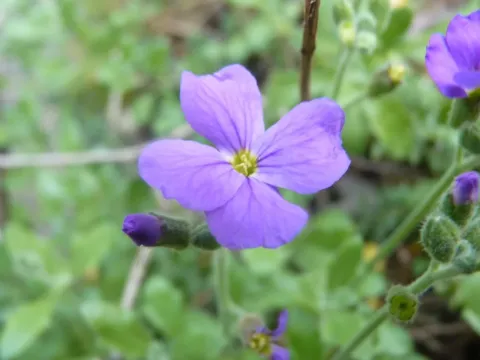
Aubrieta intermedia
Aubrieta intermedia
Sowing seeds of Aubrieta intermedia is typically carried out in late winter or early spring, specifically in February or March, to allow for a sufficient growing season before the first blooming period.
What the section contains
Aubrieta intermedia
Direct outdoor sowing is feasible in late spring or late summer, provided the soil is well-prepared and the environmental conditions are mild. Seeds should be sown on the surface and only lightly covered with fine sand or grit.
Germination requires a consistent temperature of about 18 to 20 degrees Celsius. Maintaining high humidity without saturating the soil is crucial during the early stages of seedling development to ensure uniform emergence.
Pricking out the seedlings occurs when the first true leaves appear. It is vital to handle the roots with extreme care, as Aubrieta is known for its sensitivity to root disturbance, favoring individual container growing.
Transplanting into the permanent garden position is conducted after the danger of severe frost has passed. Spacing is essential, with plants set at least 15 to 20 centimeters apart to encourage healthy growth and airflow.
Aubrieta intermedia belongs to the Brassicaceae family and is recognized as a hardy perennial. It thrives best in full sun exposure, which is necessary for producing dense, vibrant clusters of flowers throughout its blooming window.
The plant demands well-drained, porous soil with a neutral to slightly alkaline pH. Clay-heavy soils are unsuitable unless amended with significant amounts of grit or organic matter to prevent waterlogging at the roots.
Climate adaptation for this species is excellent in temperate regions. While it can withstand cold temperatures, protecting the crown from excessive winter moisture is essential to prevent decay during periods of freezing and thawing.
Watering practices should be balanced. Aubrieta performs best with moderate moisture; excessive irrigation during warm periods significantly increases the risk of root rot and foliage diseases, necessitating a well-drained substrate.
Ongoing maintenance includes light trimming after the primary flowering period. This horticultural practice not only enhances the shape of the plant but also stimulates the development of new foliage and potentially second blooms.
Aphids are the primary pests affecting this crop, particularly during the rapid growth phase of spring. These insects cluster on tender shoots, requiring prompt intervention with appropriate systemic insecticides to prevent damage.
Powdery mildew represents the most common fungal disease, especially in environments with poor air circulation and high ambient humidity. The appearance of a white powdery residue on leaves necessitates the use of fungicides.
Root and crown rot are frequent issues caused by poor drainage and excessive irrigation. These conditions weaken the plant's structural integrity and often result in sudden wilting, which is frequently irreversible if neglected.
Nematodes, while less visible, can severely impact plant vigor by damaging the root system. Proper garden hygiene and the avoidance of contaminated soil are the most effective strategies for managing these soil-borne threats.
Regular monitoring and weed control around the base of the plant are essential. Weeds act as vectors for various diseases and attract pests, making constant maintenance a key aspect of successful Aubrieta cultivation.