
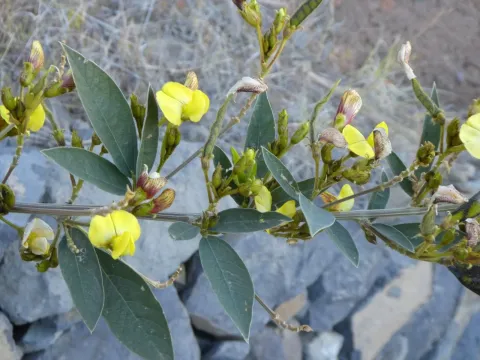
Atylosia
Atylosia
Atylosia, a genus within the Fabaceae family, comprises various herbaceous plants and shrubs. In tropical and subtropical regions, sowing is typically scheduled at the beginning of the rainy season, which provides the necessary soil moisture for successful germination and the establishment of a robust root system.
What the section contains
Atylosia
Optimal sowing times depend on the specific species and the local climate; however, a common requirement is for soil temperatures to reach at least 20–25 degrees Celsius. Seeds are sown in rows, maintaining appropriate spacing between plants to prevent overcrowding and ensure adequate airflow throughout the field.
Preparation of the seedbed involves standard plowing and cultivation to eliminate competing weeds that might suppress young seedlings. As a nitrogen-fixing legume, Atylosia often requires little to no nitrogen fertilization, though the application of phosphorus during sowing helps promote vigorous initial root growth.
A crucial step during the sowing process is the inoculation of seeds with specific strains of rhizobia if the soil has not previously hosted the crop. This ensures effective symbiosis between the plant and soil microflora, significantly boosting growth energy during the early stages of vegetation.
Once seedlings emerge, inter-row cultivation is performed to control weeds and improve soil aeration. As the plants mature and rows begin to close, they naturally suppress weed growth by forming a dense canopy, effectively shading out unwanted vegetation.
Atylosia is a heat-loving crop that requires substantial sunlight for optimal photosynthesis and biomass accumulation. It is most productive in regions with moderately warm climates, where diurnal temperature fluctuations do not impose stress on plant development.
The crop has moderate soil requirements, preferring well-drained loams or sandy soils with a neutral or slightly acidic pH. Waterlogging is detrimental to the root system, making the selection of elevated plots or fields with high-quality drainage systems critically important.
The plant exhibits high resistance to short-term drought periods thanks to its deep taproot system, which reaches deep into soil horizons. Nevertheless, regular moisture during critical growth phases is necessary to achieve maximum biomass yield.
In tropical conditions, Atylosia thrives in poor soils where other agricultural crops show low productivity. This makes it a valuable component of rotation systems aimed at restoring soil fertility and improving the overall physical structure of the soil profile.
The crop demonstrates high adaptability to various growing conditions, including open slopes and pastures. Its high ecological plasticity allows it to be used in phytoremediation projects for degraded lands in the arid regions of Asia and Africa.
The yield of Atylosia as green biomass depends on planting density and the quality of agronomic management. Under favorable conditions, the crop is capable of providing multiple cuts per season, ensuring a consistent supply of nutritious plant material for livestock feeding.
Seed productivity varies depending on the species and conditions for insect pollination. The plant actively attracts pollinators, which increases the number of pods and overall seed production, especially when cultivated in open-field settings.
Atylosia is utilized as a high-protein forage crop for livestock. Its leaves and tender shoots are highly palatable, making them an excellent supplement to the diets of ruminants, who benefit from the high nutritional density of the plant material.
Beyond its forage value, Atylosia is frequently used as a green manure crop. Incorporating the biomass into the soil contributes to the accumulation of organic matter and biological nitrogen, which enhances the yields of subsequent crops in a rotation cycle.
Research indicates that with proper maintenance and pest management, Atylosia maintains stable productivity over several years when used as a perennial component of grazing lands or agroforestry systems.
The primary pests affecting Atylosia include various insects that attack the foliage and seed pods, such as weevils and aphids. Utilizing integrated pest management (IPM) systems, which include biological control methods, helps minimize potential harvest losses.
Fungal diseases like powdery mildew or rust can develop under conditions of high humidity and poor field ventilation. Effective prevention involves strict adherence to sowing densities and the careful selection of crop rotation sequences to break disease cycles.
Nematode infestations pose a potential threat to the root system in specific soil types. Incorporating crops with phytosanitary properties into the rotation helps to reduce the population density of soil-borne pathogens.
To prevent the spread of pests, it is recommended to clear away plant residues promptly after the vegetative cycle concludes. This eliminates overwintering sites for pests and significantly reduces the infection pressure on the plot.
Chemical plant protection should be strictly regulated and applied only when the economic threshold of damage is exceeded. Preference is given to products that have minimal impact on beneficial pollinating insects.
Harvesting green biomass is ideally conducted during the mass flowering phase, when nutrient concentration in the plant reaches its peak. Timely cutting ensures the production of high-quality silage or hay with an optimal protein content.
For seed harvesting, the process is initiated after the pods have fully matured, changed color, and dried out. It is critical to avoid delayed harvesting to prevent pod shattering and the subsequent loss of seed material.
Mechanization of Atylosia harvesting is possible using standard mowers, though it requires precise adjustment of the cutting height to preserve the plant's ability to regenerate. A proper cut height promotes faster regrowth of shoots after harvest.
Post-harvest, the material must be subjected to rapid drying or preservation techniques to prevent mold and the loss of feed quality. Well-dried biomass can be stored for long periods without significant loss of nutritional value.
For seed production purposes, seeds are processed using cleaning machinery to remove impurities and damaged kernels. Proper storage in a dry, cool environment ensures high germination rates for future sowing seasons.