
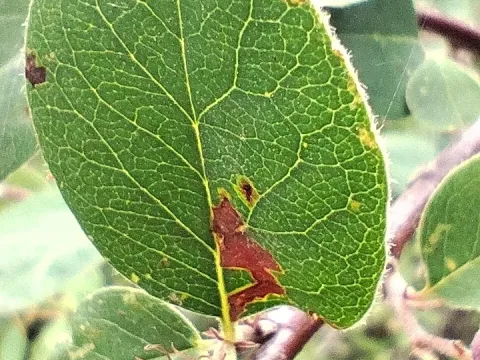
Atlantic cotoneaster
Cotoneaster atlanticus
The Atlantic cotoneaster (Cotoneaster atlanticus) is a resilient ornamental shrub belonging to the Rosaceae family. Native to the mountainous regions of North Africa, it has evolved to thrive in harsh, rocky environments with minimal nutrient availability.
What the section contains
Atlantic cotoneaster
This shrub is highly valued for its dense, spreading habit, which makes it an excellent choice for ground cover or low-maintenance landscaping. It prefers full sun or partial shade and is exceptionally adaptable to various soil types, provided they are well-drained.
A key botanical feature of this species is its slow growth rate and small, glossy leaves. During the spring, it produces modest white flowers, followed by vibrant berries that remain on the branches into autumn, providing food for local wildlife.
In terms of climate, it is quite hardy and can withstand periods of drought once the root system is established. It is an ideal plant for rock gardens, slopes, and urban environments where conditions might be too challenging for more delicate ornamental species.
Cultivation requires minimal intervention. Occasional pruning is sufficient to maintain the desired shape and density. Due to its Mediterranean origins, it performs best in soils with neutral to slightly alkaline pH levels.
Atlantic cotoneaster can be susceptible to powdery mildew, especially in locations with poor air circulation. Proper spacing during planting is critical to ensure adequate airflow and reduce the humidity levels around the foliage.
Aphids are the most common pests found on this plant. They typically colonize new growth, causing leaf curling and potential stunted development if left unchecked. Early intervention with insecticidal soap is usually effective.
Root rot is a significant danger if the soil remains waterlogged. Ensuring that the planting site has a proper gravel or coarse sand drainage layer is the primary prevention method against fungal root infections.
Scale insects can also infest the stems, requiring manual removal or systemic treatment if the infestation becomes widespread. Regular monitoring throughout the growing season helps in detecting these issues before they cause significant damage.
To ensure plant health, gardeners should avoid over-fertilization, as excessive nitrogen can lead to rapid, weak growth that becomes more attractive to sucking insects and more susceptible to environmental stress.