
Hanbury's Acacia
Acacia hanburyana
Description
Growing requirements
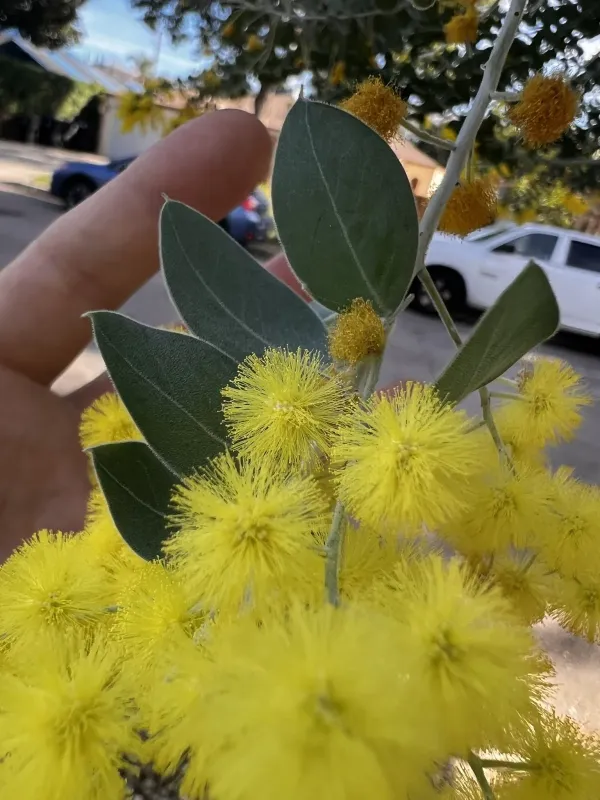
Hanbury's Acacia (lat. Acacia hanburyana) is a woody plant belonging to the Fabaceae family, subfamily Mimosoideae. This species is an evergreen tree or a large shrub exhibiting significant adaptation to arid growing conditions.
Its natural range covers the dry regions of Australia. The plant is characterized by its ability to survive in extremely hot climates with minimal rainfall, making it a promising candidate for the restoration of degraded lands.
The crop prefers well-drained sandy or sandy-loam soils with a neutral or slightly alkaline pH level. Poor tolerance to waterlogging in the root zone is a critical factor, necessitating the selection of sites with low groundwater levels.
The plant possesses high resistance to prolonged periods of drought and high air temperatures. However, at a young age, the acacia is sensitive to severe frosts, which requires preliminary acclimatization when introduced to new regions.
The economic use of the species includes erosion control and the stabilization of shifting sands. Thanks to its symbiosis with nitrogen-fixing bacteria, this acacia contributes to the natural fertility improvement of poor soil substrates.
Main diseases and pests
Typical pests for this species include coleopteran larvae that damage the wood and representatives of the cicada family that feed on the sap of young shoots.
Fungal diseases, such as root rot, occur primarily due to improper agrotechnics and excessive soil moisture. An effective prevention method is adhering to planting density to ensure proper canopy ventilation.