
Manchurian walnut
Juglans mandshurica Maxim.
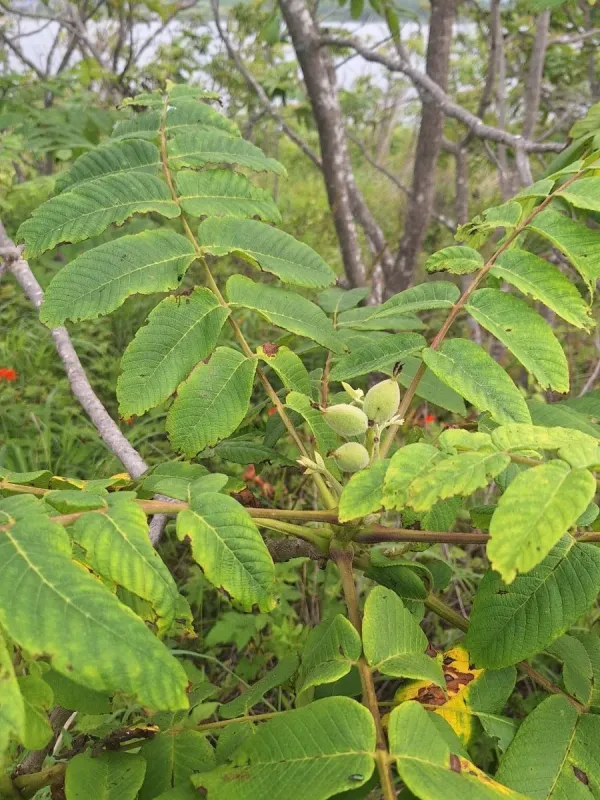
Description
Sowing dates
The seeds of the Manchurian walnut are best sown in autumn, shortly after harvesting, to allow for natural stratification in the soil over winter.
For spring planting, seeds must undergo cold stratification in moist sand for at least 2 to 3 months to break dormancy and ensure germination.
Seeds should be buried at a depth of 8–10 centimeters to prevent them from drying out and to protect them from small rodents.
Spacing between planting holes must be at least 5–6 meters to accommodate the tree's future expansive canopy and root system.
As a member of the Juglandaceae family, this species is characterized by vigorous growth, especially during the first few years after planting.
Growing requirements
The Manchurian walnut is exceptionally cold-hardy, capable of surviving severe sub-zero temperatures, making it suitable for northern regions.
It thrives in deep, fertile, and well-drained soils, preferring loamy textures that hold sufficient moisture without becoming waterlogged.
This species is highly photophilous and requires a full-sun location to grow effectively and produce a healthy, dense canopy.
Adequate soil moisture is critical during the establishment phase, so regular watering is recommended during the first few summers.
Sheltered locations are preferred, although the tree is robust enough to tolerate moderate winds once it has fully established itself.
Yield
Trees grown from seeds typically begin to bear fruit between the ages of 7 and 10 years, depending on site fertility and care.
A mature tree at the peak of its productivity can yield between 50 and 70 kilograms of nuts annually under optimal conditions.
The nuts of the Manchurian walnut are valued for their high oil content and nutritional profile, serving as a food source for humans and wildlife.
Its timber is highly regarded in the furniture industry for its durability, resistance to decay, and rich, decorative grain pattern.
Beyond the nuts, the leaves and husks contain compounds used in traditional herbal medicine and as natural dyes due to their tannin content.
Main diseases and pests
The Manchurian walnut possesses natural phytoncide properties, providing a high level of innate resistance to many common fungal diseases.
Occasional issues include leaf spot caused by Marssonina fungi, particularly in seasons characterized by high humidity and poor ventilation.
Pests such as the walnut husk fly and various leaf rollers can negatively impact fruit yield and foliage quality if left unchecked.
Integrated pest management, including regular inspection and targeted application of insecticides, is necessary for maintaining healthy harvests.
Sanitary practices, such as removing fallen leaves and pruning dead branches, are vital to prevent the accumulation of pathogens in the canopy.
Harvesting
Harvesting usually occurs in autumn, when the fruit husks darken, crack open, and the nuts fall naturally to the ground.
It is essential to remove the fleshy outer husks immediately after collection to prevent staining and the development of off-flavors in the nutmeat.
After husking, the nuts must be air-dried in a well-ventilated, shaded area to ensure long-term stability and prevent mold growth.
Properly dried nuts should be stored in cool, dry conditions with adequate airflow to preserve their nutritional quality for months or years.
High-quality Manchurian walnuts are highly durable and retain their value for culinary or industrial processing if stored correctly.