
Intermediate walnut
Juglans x intermedia Jacques
Description
Growing requirements
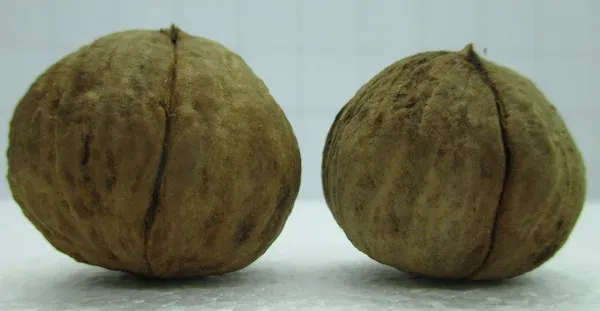
The intermediate walnut (Juglans x intermedia) is a hybrid resulting from the crossing of the common walnut (Juglans regia) and the black walnut (Juglans nigra). It belongs to the Juglandaceae family, combining the cold hardiness and aesthetic wood qualities of both parent species.
Botanically, it grows into a large, fast-growing deciduous tree. It features large, pinnate leaves and a robust taproot system that enables it to thrive in diverse soil conditions, provided they are deep enough to accommodate its primary root structure.
Soil requirements focus on fertility and drainage. The tree performs best in well-drained, nutrient-rich soils with a neutral pH level. It does not tolerate prolonged waterlogging, which can cause root rot, especially in young saplings that are still establishing their underground framework.
Climatic adaptability is one of the key strengths of this hybrid. It exhibits improved resilience to late spring frosts and colder winter temperatures compared to the common walnut. It requires an open, sunny location to maximize its growth potential and structural development.
Agricultural management involves routine pruning to maintain a central leader and ensure structural strength. Furthermore, maintaining weed-free zones around the base of the trunk for the first few years significantly improves the survival rate and growth velocity of the plant.
Yield
The commercial utility of this tree is twofold. Firstly, it is highly sought after in forestry for its durable, high-quality timber. Secondly, it provides edible nuts that, while sometimes smaller than commercial varieties, remain valuable for local processing and culinary use.
Main diseases and pests
The most common disease is walnut anthracnose, which typically develops during humid weather and causes premature defoliation. Preventive measures include the removal of infected plant debris and the application of fungicides during the early leaf-development stage.
Insect pests include the walnut husk fly, which can burrow into the developing fruit. Growers are encouraged to use monitoring traps to time insecticide applications accurately, ensuring that intervention occurs only when populations reach economic damage thresholds.