
Australian mulberry
Morus australis Poir.
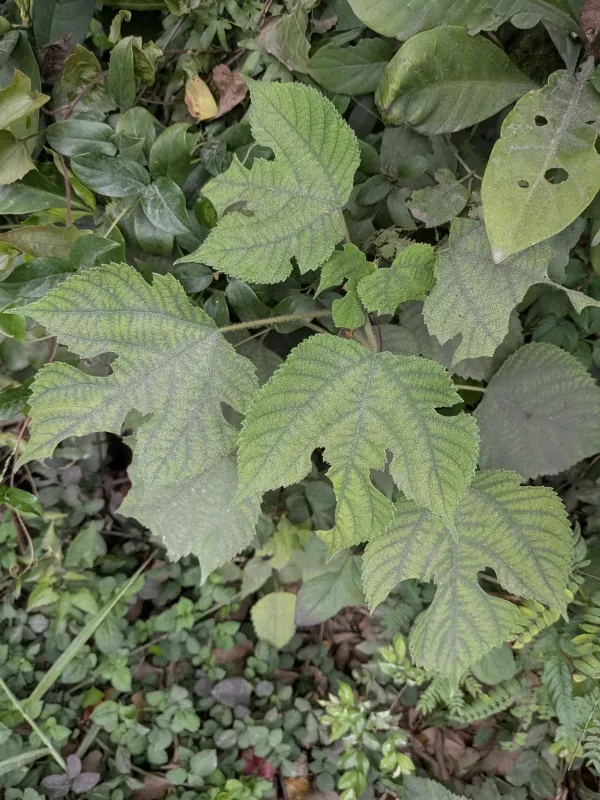
Description
Sowing dates
The Australian mulberry is typically propagated through vegetative methods, such as cuttings or grafting, which ensures the consistency of the variety's characteristics.
Planting saplings in the open ground is recommended during the early spring once the risk of frost has passed and the soil has warmed up sufficiently for root activity.
Seed propagation requires a cold stratification process to simulate natural winter dormancy, which significantly improves the germination rate of the seeds when sown.
Sowing in nursery beds should be done at a shallow depth of one to two centimeters in nutrient-rich, well-draining soil to support early root system development.
Young plants require careful attention in their first year, including regular watering and protection from extreme heat or strong winds that could damage tender shoots.
Growing requirements
As a member of the Moraceae family, the Australian mulberry thrives in sunny, well-lit locations and requires protection from harsh winds that may cause physical damage.
This tree prefers fertile, loamy soils that provide good aeration, although it shows adaptability to various soil types provided there is adequate drainage present.
Regular moisture is essential for optimal growth, especially during the fruit-bearing phase, although the tree displays moderate drought tolerance once fully established.
Soil pH should ideally be in the neutral to slightly acidic range to ensure the efficient uptake of essential nutrients needed for healthy vegetative and reproductive growth.
The tree requires a climate that matches its hardiness zone, with young trees needing protection in regions that experience severe winter temperatures to prevent branch dieback.
Yield
Fruit production typically commences within three to five years, with the annual yield increasing steadily as the tree matures and the crown expands over time.
The berries of the Australian mulberry are highly prized for their sweetness and nutritional content, making them a valuable crop for both fresh consumption and culinary processing.
Yield stability depends heavily on proper maintenance, including strategic pruning that promotes airflow and maximizes light penetration to the inner parts of the canopy.
Beyond fruit production, the foliage of the Australian mulberry is historically significant for its use in sericulture, serving as a primary food source for silkworms.
With consistent care, including organic fertilization and regular pest management, these trees can maintain productive fruit yields for several decades in appropriate climates.
Main diseases and pests
Fungal diseases like powdery mildew are common threats that affect the leaves, potentially reducing the tree's overall vigor if not managed through proper sanitation and care.
Pests such as mites and certain moth species can damage foliage; therefore, regular scouting of the tree's canopy is essential to identify early signs of infestation.
To prevent disease transmission, all pruning tools should be sanitized, and any infected branches should be removed and destroyed immediately to prevent the spread of spores.
Maintaining a clean area around the base of the tree and ensuring adequate canopy ventilation are key preventative measures against most common horticultural diseases.
Integrated pest management, including the use of beneficial insects and selective organic treatments, helps protect the tree without disrupting the local ecosystem.
Harvesting
Harvesting should be carried out incrementally, as the berries ripen unevenly throughout the season, necessitating multiple passes to collect the fruit at peak maturity.
Due to the delicate nature of the fruit, it is recommended to place collection mats under the tree canopy to catch ripened berries, preventing damage upon impact with the ground.
Early morning harvests are ideal, as the cooler temperatures help maintain the firmness and sugar quality of the berries before they undergo processing or storage.
Since the fruits are highly perishable and prone to rapid fermentation, they should be moved to a cool, shaded environment immediately after collection from the tree.
Freshly harvested mulberries can be preserved through freezing, drying, or cooking into jams and syrups, which allows for the long-term enjoyment of the harvest beyond the season.