
Weeping mulberry
Morus alba L.
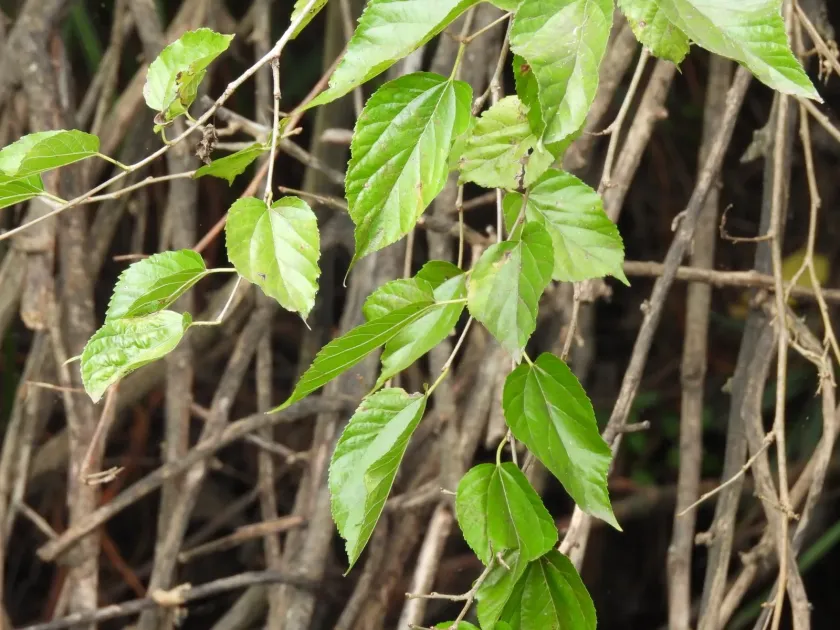
Description
Growing requirements
The Weeping Mulberry is a cultivar of the species Morus alba L., which belongs to the Moraceae family. It is highly valued for its elegant, cascading branches that reach toward the ground, creating a unique aesthetic in any garden setting.
This tree thrives in temperate climates and is native to parts of Asia. It requires a sunny location to ensure dense foliage and healthy fruit production, as shade can weaken the structure and overall vigor of the tree.
Soil requirements are relatively standard; it prefers well-drained, loamy soils. While it can tolerate a variety of soil types, it absolutely requires excellent drainage to prevent root rot, which is a major threat in heavy, waterlogged clay soils.
Climate adaptability is one of its strong points, though protection from harsh, drying winds is recommended for young specimens. In colder zones, winter protection for the root base can help ensure survival through extreme frosts.
Pruning is the most critical aspect of maintenance for this specific variety. To maintain its characteristic weeping shape, gardeners must prune branches that have become too tangled or touch the ground, as this encourages healthier air flow.
Yield
The Weeping Mulberry produces sweet, juicy berries that vary in color from white to dark purple depending on the specific cultivar. These fruits are high in antioxidants, fiber, and vitamins, making them a healthy harvest.
While often planted for ornamental purposes, the fruit yield is significant as the tree matures. The harvest period typically spans several weeks during mid-summer, providing a continuous supply of fresh produce for household use.
Culinary uses are diverse, ranging from fresh consumption to the production of jams, pies, and syrups. The delicate flavor of the berries makes them a perfect addition to smoothies or yogurt bowls.
The wood of the mulberry tree is known for its durability and grain quality, though the weeping variety is rarely utilized for timber due to its small stature and high value as a living specimen in public parks.
Integrating this tree into a garden adds not only visual interest but also ecological value by providing a food source for local birds and pollinators during the peak summer months.
Main diseases and pests
Bacterial blight is a primary concern for Morus alba. It causes dark, necrotic spots on leaves and stems. Management includes removing infected branches and applying copper-based treatments to stop the spread.
Powdery mildew is common in humid climates, covering the leaves in a white, dusty film. Maintaining proper spacing between branches and ensuring good airflow is essential to prevent this fungal issue.
Pests such as scale insects and spider mites are common threats. These insects sap energy from the tree, leading to leaf drop. Regular monitoring and the application of horticultural oils can keep populations under control.
The American white moth can be a destructive pest, with larvae stripping leaves rapidly. Manual removal of egg clusters and webs is the most effective early intervention strategy for homeowners.
Overall, a well-fertilized tree with optimal water management will show natural resilience. Consistent monitoring and sanitation, such as removing debris from around the tree base, help prevent recurring disease outbreaks.