
Round-leaf mulberry
Morus rotundiloba Koidz.
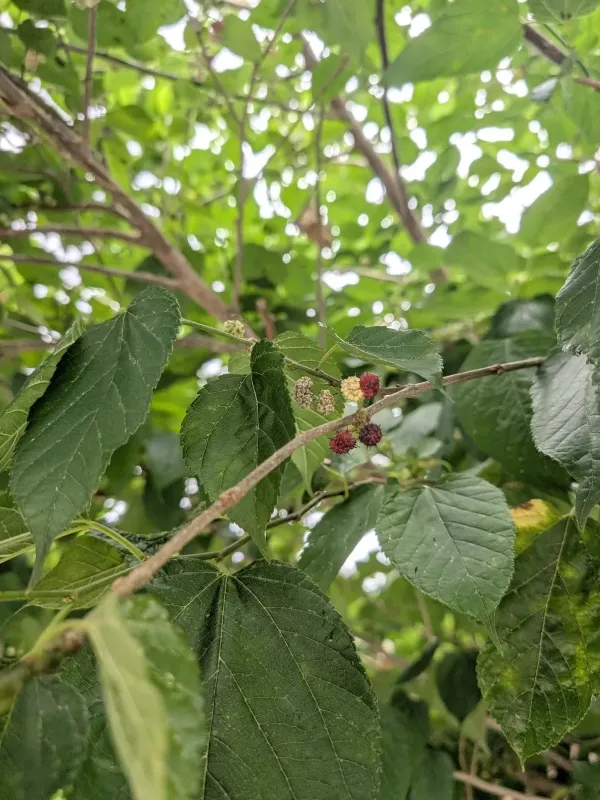
Description
Sowing dates
Planting of Morus rotundiloba saplings is preferably carried out in early spring, before active sap flow begins, or in autumn, at least a month before the first frost. Choosing sites with low water tables is crucial for root establishment.
Propagation from seeds requires cold stratification for several months to break dormancy. Sowing in open ground should be performed in well-prepared beds with lightweight, nutrient-rich soil to ensure optimal germination rates.
For commercial orchards, vegetative propagation methods, such as grafting or rooting green cuttings in greenhouses, are preferred. This approach ensures the consistency of varietal characteristics and reduces the time to reach fruit-bearing maturity.
The planting distance between trees should be at least 5–6 meters to accommodate the spreading canopy. In regions with harsh winters, young saplings require protective coverings during the initial years after planting.
Proper preparation of the planting pit is a critical step; it should be filled with a blend of fertile soil, humus, and balanced mineral fertilizers to provide the necessary nutrients for initial development.
Growing requirements
The round-leaf mulberry (Morus rotundiloba) is a member of the Moraceae family, valued for its ornamental appeal and nutritious fruit. This species is native to temperate and subtropical zones of East Asia, characterized by distinct seasonal transitions.
The crop is highly sensitive to light exposure; to ensure full development and optimal sugar concentration in the fruit, the tree requires maximum exposure to direct sunlight throughout the entire growing season.
The plant thrives in loose, sandy loam or loamy soils with high aeration and drainage capacity. While it can withstand periods of mild drought, regular irrigation is vital for high yields, especially during the fruit-set period.
Although the species exhibits moderate winter hardiness, young shoots may be susceptible to frost damage in extreme winters. Ideal growing conditions include moderately humid summers with temperatures between 20–28 degrees Celsius.
A consistent annual routine of sanitary and formative pruning is essential. This practice helps maintain a dense canopy, facilitates harvesting, and prevents the overgrowth of structural branches, keeping the tree in a manageable state.
Yield
Fruit production typically begins 4–6 years after planting, provided that quality planting stock is used and proper care is maintained. Total yield is highly dependent on the tree's maturity and canopy sunlight penetration.
The fruits of the round-leaf mulberry are nutrient-dense, containing various vitamins, organic acids, and antioxidants. These fruits are consumed fresh, dried, or processed into jams, juices, and specialty wines.
The economic value of this crop also extends to its high-quality, durable timber, as well as the utilization of leaves as a primary feed source for silkworm production in specific agricultural sectors.
To improve productivity, it is recommended to apply nitrogen-based fertilizers early in the season and switch to phosphorus-potassium blends at the end of summer to harden the tree for winter dormancy.
Harvesting is often staggered because the fruit ripens unevenly. Producers must monitor the berries closely to collect them at the peak of their coloration and softness for the best market quality.
Main diseases and pests
The primary threats to this culture include sap-sucking pests such as spider mites and mealybugs, which feed on leaf cell sap and weaken the overall vitality of the tree if left unmanaged.
Fungal diseases are also prevalent, including powdery mildew and various leaf spot disorders, which often arise in environments with high humidity and poor canopy air circulation.
Bacteriosis in mulberry trees may appear as blackened shoots and bark ulcers. Such symptoms require immediate removal of affected tissues and applications of copper-based fungicides to prevent further spread.
Effective pest control involves preventative spraying with insecticides before flowering and after harvest, alongside rigorous pruning to maintain canopy ventilation and sanitation.
General plant health is the best defense against disease; regular pruning and balanced nutrition ensure the tree's resilience and longevity in a commercial or home orchard setting.
Harvesting
Harvesting mulberry fruit requires careful handling, as the berries are extremely delicate and prone to physical damage, which quickly degrades their appearance and shelf life.
A common harvest technique involves laying plastic sheets or fabric beneath the canopy and gently shaking the branches, causing ripe fruit to fall for quick collection in shallow containers.
Fresh mulberries have a very limited shelf life, necessitating immediate transportation to refrigerated storage or local processing facilities to maintain freshness and market value.
Commercial growers must coordinate their harvest logistics based on the ripening schedules of different varieties to ensure efficient processing and minimize post-harvest losses.
For culinary use, the fruits are frequently blast-frozen or dried, which successfully preserves the biological activity of the antioxidants and allows for year-round availability.