
Korai tachibana
Citrus nippokoreana Tanaka
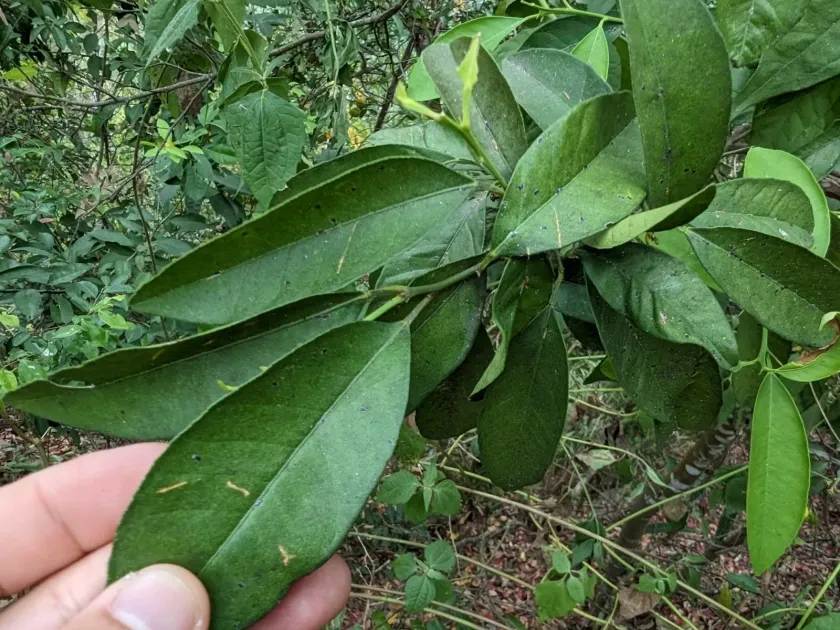
Description
Growing requirements
Korai tachibana (Citrus nippokoreana) belongs to the Rutaceae family and is a unique citrus species native to East Asia. It is a slow-growing evergreen shrub that thrives in subtropical microclimates.
The crop requires fertile, well-drained soil with an acidic to neutral pH level. Proper drainage is essential to prevent root rot, which is a common physiological issue for this species in humid climates.
Climate requirements involve protection from severe winter frosts. While it is more resilient than many tropical citrus varieties, maintaining a steady temperature range is critical for long-term health.
Ample sunlight is required for the plant to achieve its full potential. In areas with insufficient natural light, indoor growth requires specialized spectrum lighting to mimic solar radiation.
Agrotechnical maintenance includes balanced irrigation combined with regular fertilization using specific citrus-grade nutrients containing nitrogen, phosphorus, and potassium.
Yield
The fruit of the Korai tachibana is valued for its culinary applications, specifically for the aromatic oils found in its zest, which are used in specialty food production.
Commercial yields are optimized through regular pruning and canopy management, which ensures adequate air circulation and light penetration to the inner branches.
The tree enters its productive phase after several years of development. Yield per tree is moderate but consistent under high-standard professional cultivation practices.
Post-harvest handling is critical to maintain the quality of the fruit. Immediate cooling and careful storage are recommended to preserve the aromatic profile of the skin.
The economic value of this crop is also linked to its ornamental use in landscape design within regions suitable for its growth.
Main diseases and pests
Common pests include spider mites and scale insects, which can rapidly damage the foliage and sap-producing systems of the tree if left untreated.
Fungal pathogens such as black spot and root rot often emerge if the humidity levels remain too high or if the irrigation schedule is poorly managed.
Nutrient deficiencies often manifest as leaf discoloration; therefore, monitoring soil salinity and mineral content is a mandatory preventative measure.
Biological pest control methods, including the introduction of beneficial predatory insects, are highly recommended to keep the ecosystem balanced without chemicals.
Sanitation of the garden area and removal of fallen organic matter help prevent the spread of soil-borne pathogens that target the root systems of citrus trees.